Nội dung chính
GRS Certification is the Essential Strategy for a Sustainable Future in the Textile Industry.
A silent revolution is reshaping the global textile industry. Sustainability is no longer a trend; it has become a market mandate. Modern consumers, empowered and informed, aren’t just buying a product; they are investing in the values a brand represents. They demand transparency, responsibility, and products that are kind to the planet.
Against this backdrop, the Global Recycled Standard (GRS) has evolved from a simple certification into a strategic declaration. It is not an expense, but a decisive investment for businesses that aim to lead, not just survive.
Join Art Fabric Vietnam as we decode why this “green passport” is an indispensable move for the future of any textile enterprise.

1. GRS (Global Recycled Standard) – More Than Just a Recycled Number
The GRS is a comprehensive, international, voluntary standard managed by the reputable non-profit, Textile Exchange. Its mission is to increase the use of recycled materials and reduce the harm caused by production. A product must contain a minimum of 20% recycled material to be certified, and at least 50% to use the official GRS logo.
But the core value of GRS lies in its holistic approach. It is a 360-degree commitment to responsible manufacturing, built upon four solid pillars:
- 1.1. Chain of Custody: GRS guarantees the integrity of recycled materials throughout the entire supply chain. Like a product’s DNA, it authenticates every stage—from the recycler to the spinner, weaver, dyer, and finished product. Every link in the chain must be certified.
- 1.2. Social Responsibility: Based on the principles of the International Labour Organization (ILO), GRS mandates fair and safe working conditions, free from forced or child labor. It is a commitment to the human values behind every yard of fabric.
- 1.3. Environmental Responsibility: Facilities must demonstrate an effective environmental management system, including proper wastewater treatment, emissions control, and responsible energy and water management. The standard does not permit a trade-off between production and the planet.
- 1.4. Chemical Management: GRS enforces a strict Restricted Substances List (RSL), prohibiting the use of potentially harmful chemicals. This ensures the final product is safe for both the consumer and the environment.
2. Why GRS is a Profitable Investment, Not an Expense

\In a competitive market, investing in an international certification can seem like a burden. However, GRS delivers strategic advantages that are invaluable.
- 2.1. Connecting with the Modern, Conscious Consumer Gen Z doesn’t just shop; they vote for the future they want with their wallets. They are willing to pay more for brands that are transparent about their sustainability commitments. According to Nielsen, 66% of global consumers are prepared to do so. The GRS logo is a powerful communication tool, turning your promise into a verified fact and telling a compelling story of circularity and responsibility.
- 2.2. A Green Passport to Global Markets. Strict markets like Europe, the USA, and Japan are continuously tightening environmental regulations. Many of the world’s leading retailers and fashion brands now list GRS as a mandatory requirement for their suppliers. Possessing GRS certification is like having a “green passport,” enabling Vietnamese businesses to confidently enter the global supply chain and enhance their export value.
- 2.3. Building Trust in the Age of Greenwashing As “green” claims become commonplace and sometimes hollow, consumers are growing more skeptical. A certification from a reputable, independent third party like GRS is the ultimate weapon against greenwashing. It validates your claims, affirming: “We don’t just talk; we act, and here is the proof.” This trust is a priceless asset.
- 2.4. Optimizing Operations and Mitigating Risks The journey to GRS certification requires a company to review, standardize, and improve its entire production process. This effort reduces waste, optimizes efficiency, and, most importantly, helps to proactively identify and mitigate potential social and environmental risks in the supply chain. A transparent and efficient operational system is the foundation of long-term sustainable growth.
3. Art Fabric Vietnam: Weaving a Sustainable Future for Outdoor Fabrics
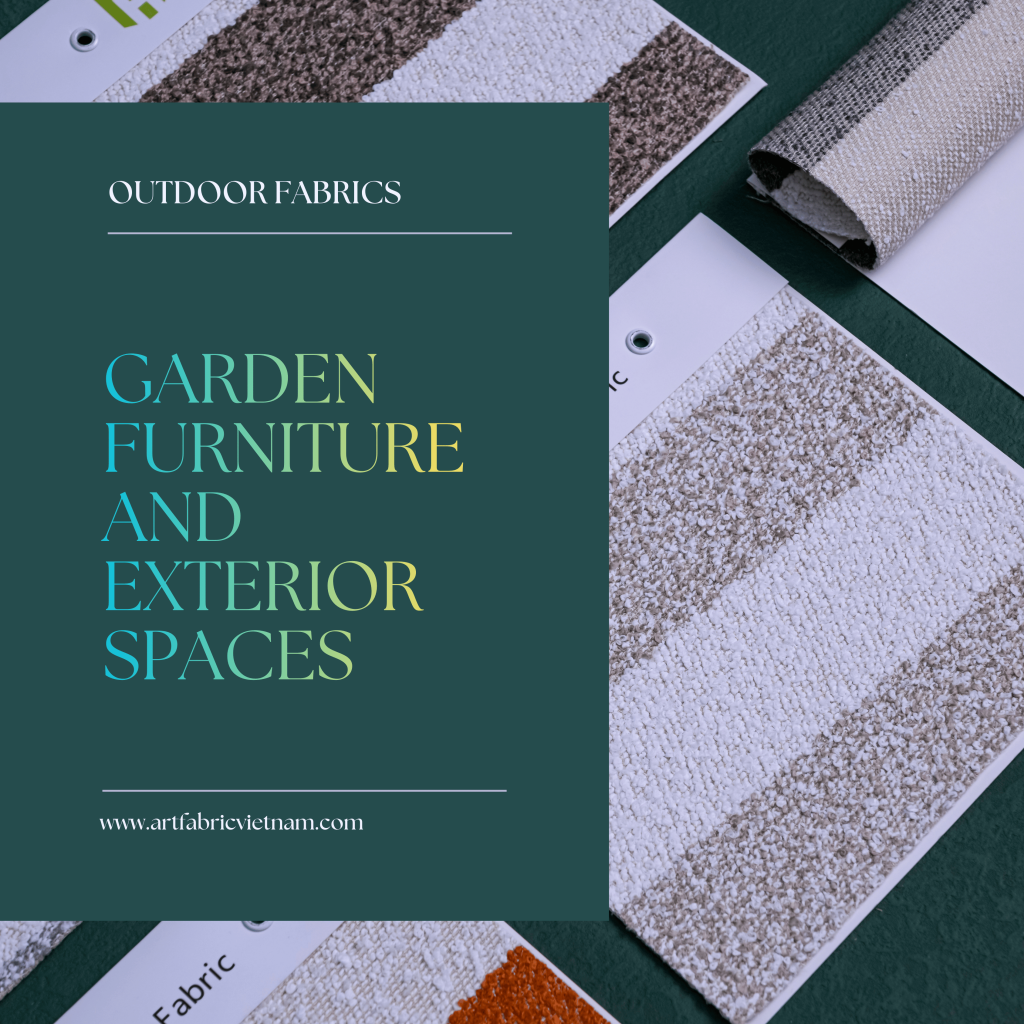
At Art Fabric Vietnam, we believe that superior performance and environmental responsibility must go hand-in-hand. This is especially true for outdoor fabrics, where durability, UV resistance, and water repellency are critical. Utilizing high-performance recycled materials to meet these demands is both a challenge and our mission.
We are committed to pursuing standards like GRS not only to create outstanding products but also to affirm our role in contributing to a greener, more circular textile industry.