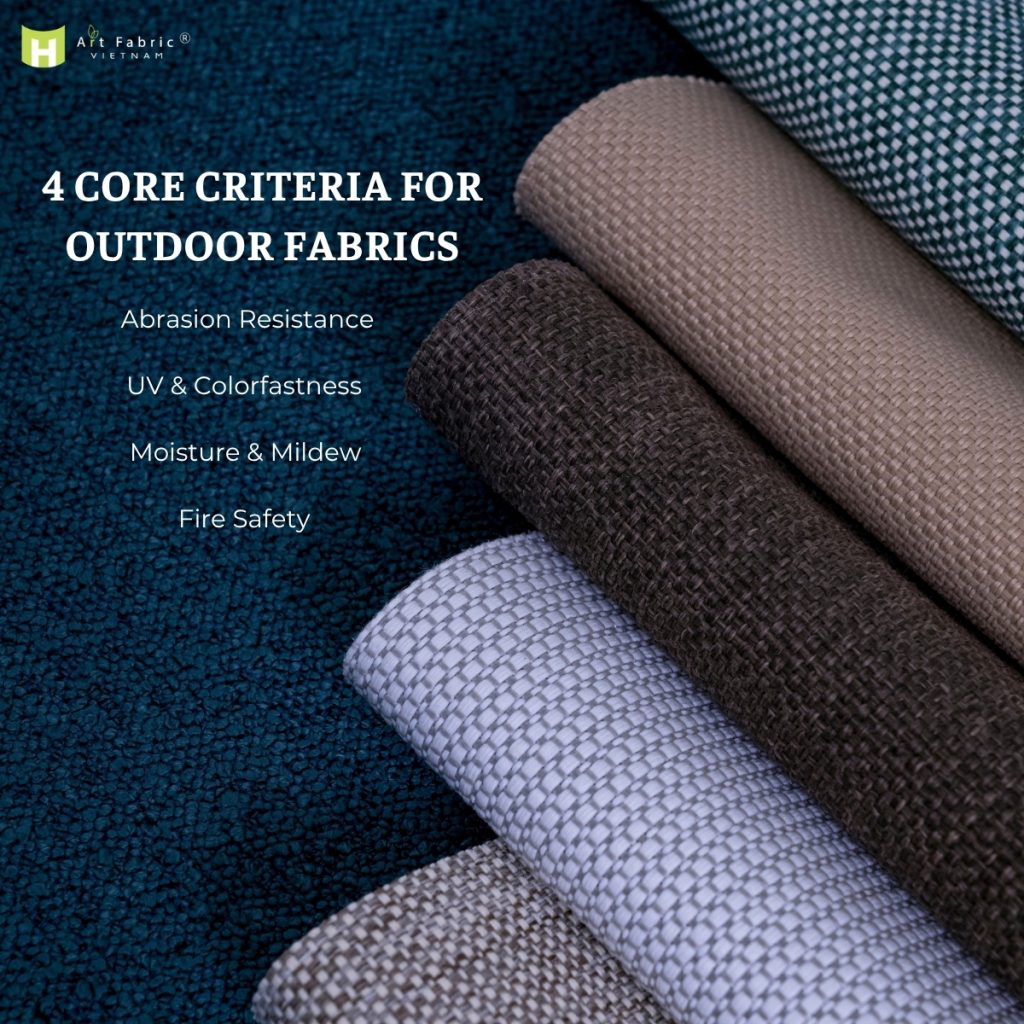
Have you ever invested heavily in a stunning outdoor sofa, only to watch its trendy color become a faded, patchy mess in a matter of months? Suddenly, the seller’s guarantee of “premium fabric” vanishes under the blazing sun.
That is the harsh reality of the exterior design industry: a vast gap between what is promised and what actually survives the elements.
To bridge that gap, you need more than a sales pitch. You need an independent, scientifically rigorous third party to make a definitive judgment. In the global textile world, that name is SGS.
At Art Fabric Vietnam, we don’t build trust on words—we forge it through rigorous testing. An SGS certification is your ultimate shield of assurance. Let’s explore the stringent 5-step scientific testing process that SGS uses to verify and guarantee the indestructible color of your outdoor sanctuary.
Why SGS and Not a Self-Proclaimed Guarantee?
In today’s marketplace, almost every fabric claims to be premium, fade-resistant, or built to last. But marketing promises alone cannot guarantee long-term performance.
When it comes to outdoor textiles, confidence should be built on independent verification, not self-proclaimed claims.
This is precisely why SGS (Société Générale de Surveillance) has become one of the world’s most trusted authorities in inspection, testing, verification, and certification. Headquartered in Switzerland, SGS operates as a completely independent organization. It neither manufactures fabrics nor promotes textile brands. Its responsibility is simple: to evaluate products objectively using internationally recognized scientific standards.
What makes an SGS certification so valuable is the integrity behind every result.
Independent and Unbiased Evaluation
Every test is performed without commercial influence from manufacturers or suppliers, ensuring that the final results reflect actual product performance—not marketing expectations.
Internationally Recognized Testing Standards
SGS conducts its evaluations using globally accepted testing methods, including ISO (International Organization for Standardization) and AATCC (American Association of Textile Chemists and Colorists) standards. These internationally established protocols ensure consistency, accuracy, and credibility across the global textile industry.
Confidence Built on Scientific Evidence
An SGS-certified fabric has successfully completed a series of demanding laboratory evaluations designed to verify its performance under real-world conditions. For architects, designers, manufacturers, and homeowners alike, this certification provides objective assurance that the fabric has been tested—not simply advertised.
So, what exactly must an outdoor fabric endure before earning this internationally recognized mark of quality?
Let’s take a closer look at the five rigorous colorfastness tests that form the foundation of SGS certification.
The 5-Step Colorfastness Verification Process by SGS
Step 1: Colour Fastness to Light
This is the ultimate crucible for any outdoor fabric. SGS doesn’t merely leave a piece of cloth out in the sun and wait. Instead, they utilize a state-of-the-art Xenon Arc testing chamber—a technological marvel designed to compress years of punishing sunlight into mere days.
-
The Process: Inside this chamber, your fabric is placed alongside a standard control sample and blasted with continuous, high-intensity Xenon irradiation. It endures the equivalent of thousands of hours of direct, blinding sun exposure. To ensure absolute real-world accuracy, the chamber meticulously simulates shifting temperatures and unpredictable humidity levels.
-
The Standard: Rigorously aligned with ISO 105-B02 and AATCC 16.
-
The Verdict: The sole purpose of this grueling trial is to test the dye’s immunity to ultraviolet (UV) radiation—the ultimate destroyer of vibrant colors. A fabric that survives this inferno is scientifically guaranteed to keep your outdoor sanctuary looking flawlessly vibrant, season after sunny season.
Step 2: Colour Fastness to Rubbing/Crocking
Color doesn’t just fade from the sun; it can also transfer through friction. Have you ever worn new jeans and noticed blue stains on your light-colored sofa? That is the phenomenon of “crocking.”
- Process: SGS uses a device called a Crockmeter. A standard white cloth (both dry and wet) is rubbed against the surface of the test fabric with a specified pressure and for a precise number of cycles.
- Reference Standard: Typically ISO 105-X12.
- Purpose: To measure the degree of color transfer from the test fabric to the white cloth. This test is crucial for upholstery fabrics, ensuring that your clothes won’t be stained when you sit on a chair, especially in humid conditions (e.g., from sweat or dampness).
Step 3: Colour Fastness to Weathering
For outdoor fabrics, resisting light alone is not enough. They must withstand the brutal combination of sun, rain, wind, and sudden temperature changes.
- Process: This test is an upgrade from the lightfastness test. The fabric sample is not only exposed to UV rays from the Xenon lamp but is also periodically sprayed with water to simulate rain showers. This “sun-rain” cycle is repeated to accelerate the natural weathering process.
- Purpose: To assess the overall colorfastness and physical durability of the fabric when exposed to harsh outdoor environmental conditions.
Step 4: Colour Fastness to Water & Chlorinated Water
An ideal outdoor space often includes a swimming pool. This means that upholstery for chairs and umbrellas will frequently come into contact with chlorinated water, a powerful bleaching agent.
- Process: The fabric sample is immersed in various solutions, including purified water, simulated seawater, and, most importantly, water containing a standard concentration of chlorine for a specific period and under pressure.
- Purpose: To ensure the fabric’s color does not change or become blotchy when exposed to rainwater, seawater, or pool water.
Step 5: Grey Scale Evaluation
After surviving a relentless gauntlet of UV rays, friction, and extreme elements, how is a fabric truly judged? In the realm of elite textiles, there is no room for subjective opinions. “Looks good” simply isn’t good enough.
To deliver an absolute, objective result, SGS experts completely eliminate human bias. They do not rely on the naked eye; instead, they utilize an internationally recognized scientific instrument: the Grey Scale.
The Precision Process: The “tortured” fabric sample is placed meticulously beside an untouched original. Experts then use the Grey Scale—a precise spectrum of five shades—to scientifically measure the exact degree of color degradation.
The Grading System:
- Grade 5: Flawless. Zero change in color (Excellent).
- Grade 4: Imperceptible to very slight change (Good).
- Grade 3: Noticeable change.
- Grade 2: Substantial change.
- Grade 1: Major change (Poor/Fail).
The Elite Standard: True luxury demands near perfection. To earn its place in high-end exterior design, a premium outdoor fabric must consistently achieve a Grade 4 or 5—certifying that its vibrant beauty remains virtually untouched by time, weather, and wear.
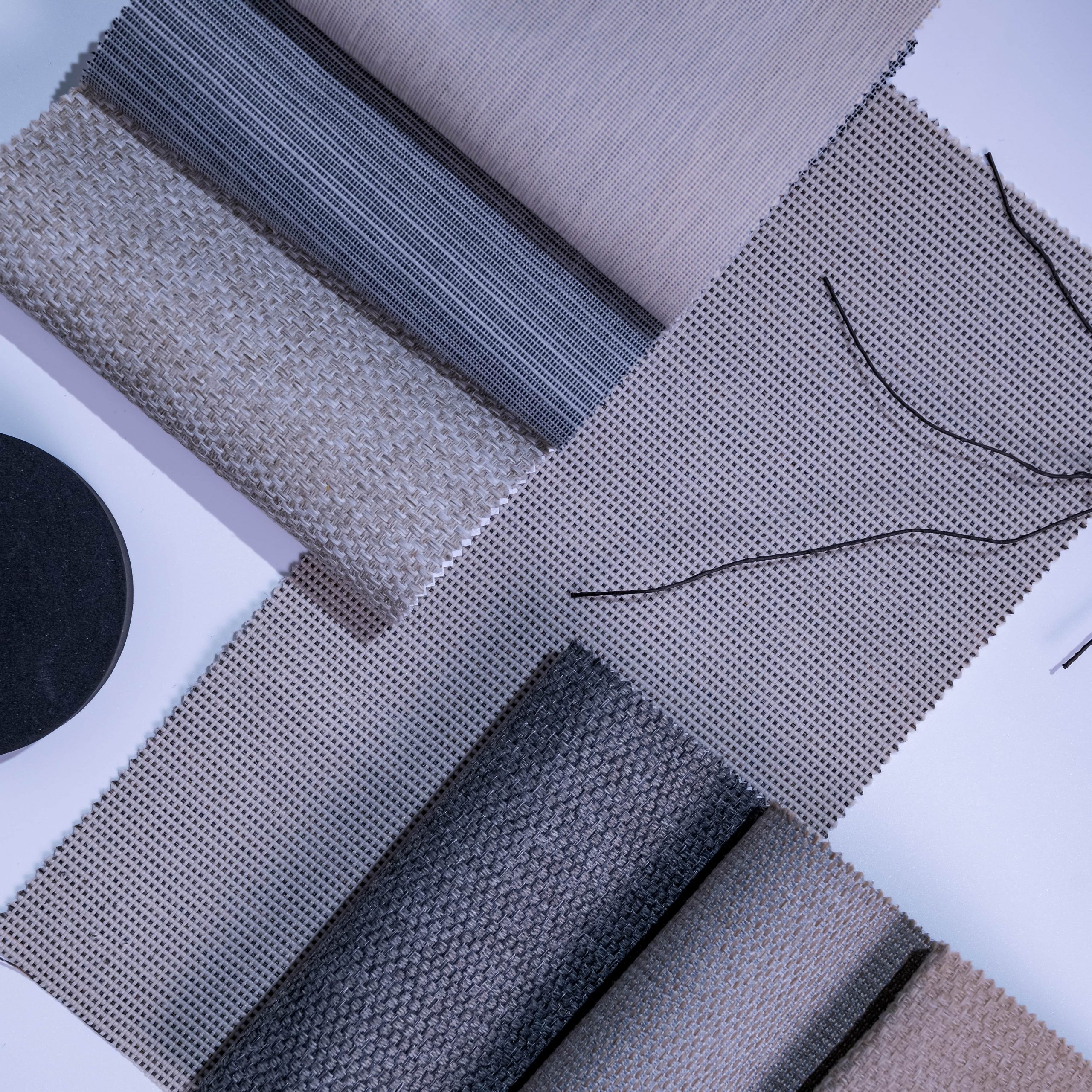
Art Fabric Vietnam: A Commitment to Quality, Guaranteed by SGS
At Art Fabric Vietnam, we don’t just sell fabric; we deliver peace of mind. Selecting product lines that meet SGS’s demanding testing standards is part of our core commitment. We believe that an outdoor product is only truly perfect when its beauty endures over time. The colorfastness certificate from SGS is a firm testament to that belief.
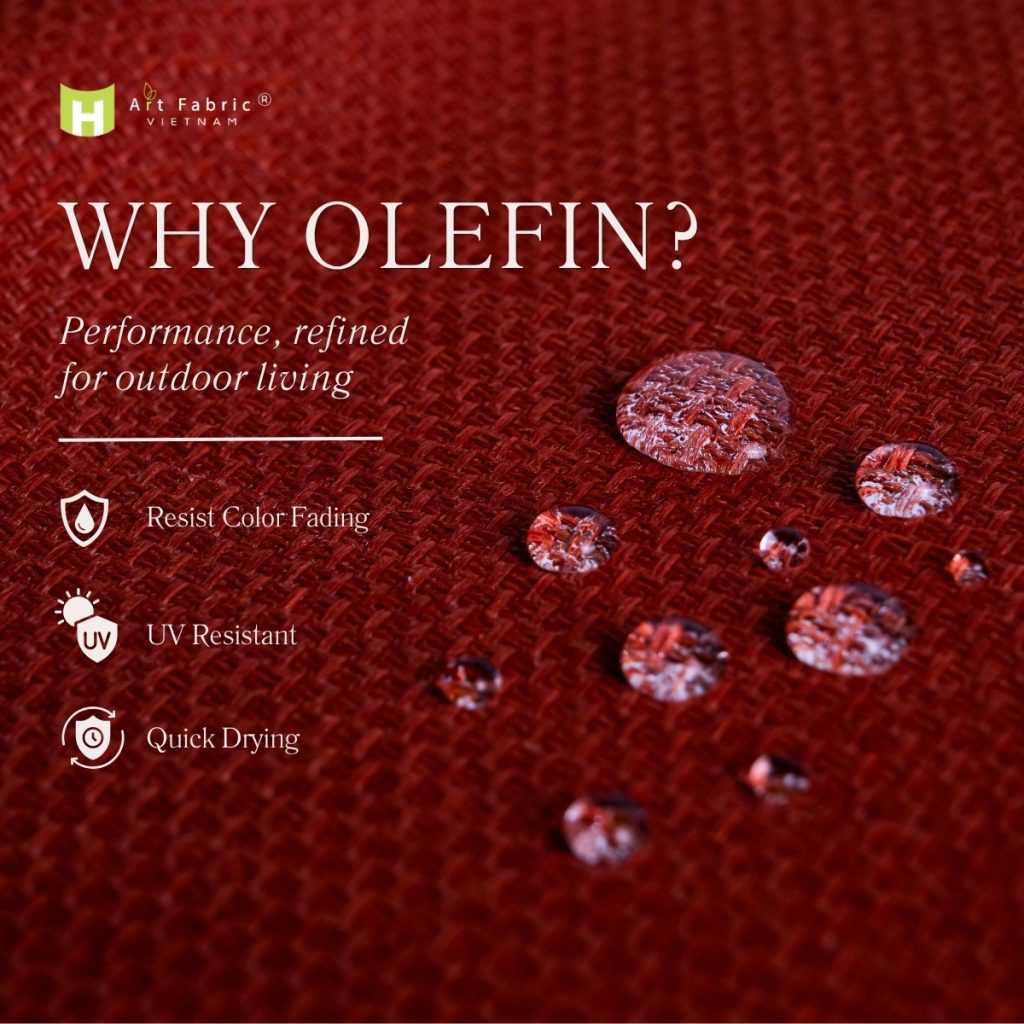
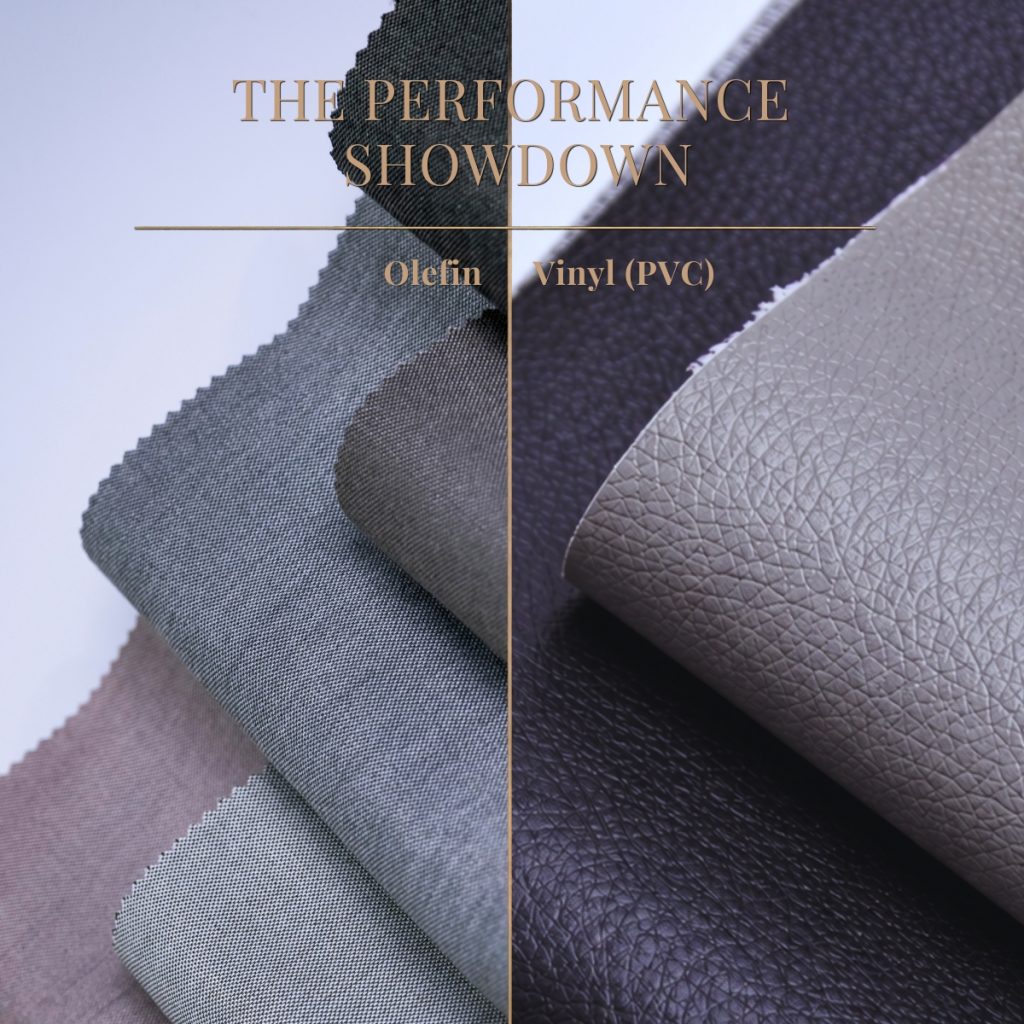
To achieve these impressive results, initial base fiber selection is paramount, which is why high-performance fabrics, such as Art Fabric Vietnam’s Olefin and Polyester, are often the first choice.