In critical FF&E budget meetings for 5-star resorts, a single misstep in material specification can compromise the entire luxury guest experience. Today, upholstery fabric needs to offer more than just stunning colors and a premium tactile feel. It must also satisfy rigorous demands regarding human safety, environmental impact, and regulatory compliance.
However, when reviewing supplier catalogues, Purchasing Managers and Architects often find themselves navigating a maze of terms such as OEKO-TEX, REACH, GRS, and PFAS-Free. Which one is a voluntary certification? Which one is a regulatory requirement? And which one refers to a specific chemical or finishing approach?
Let Art Fabric Viet Nam break down each concept and help you make smarter, more informed material decisions for your next project.
Why Are OEKO-TEX, REACH, GRS and PFAS-Free Often Confused?
In the textile industry, these four terms frequently appear side by side in fabric catalogues, technical datasheets, and project documentation. However, they are not simply four different versions of the same type of certification.
A simple way to understand the difference is:
| Standard | What Does It Primarily Address? |
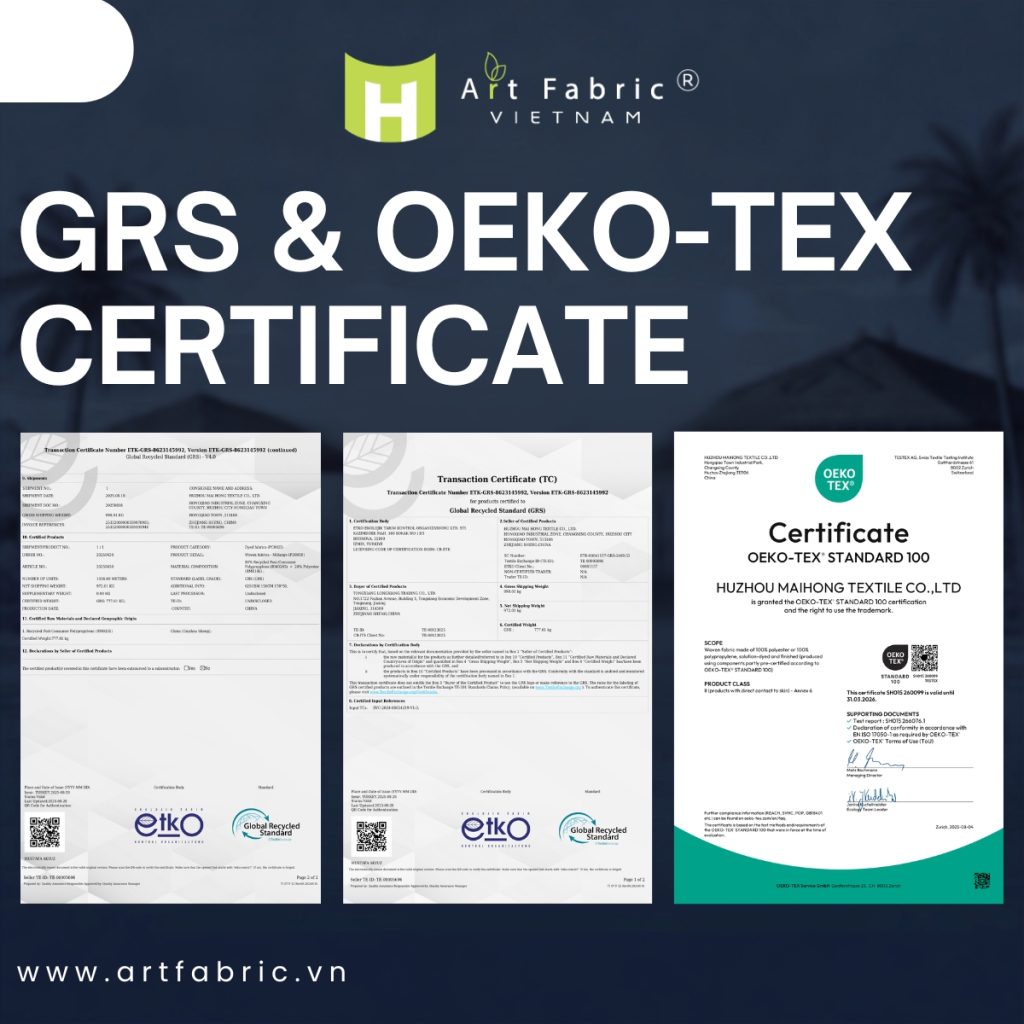
| OEKO-TEX® STANDARD 100 | Testing textiles for harmful substances |
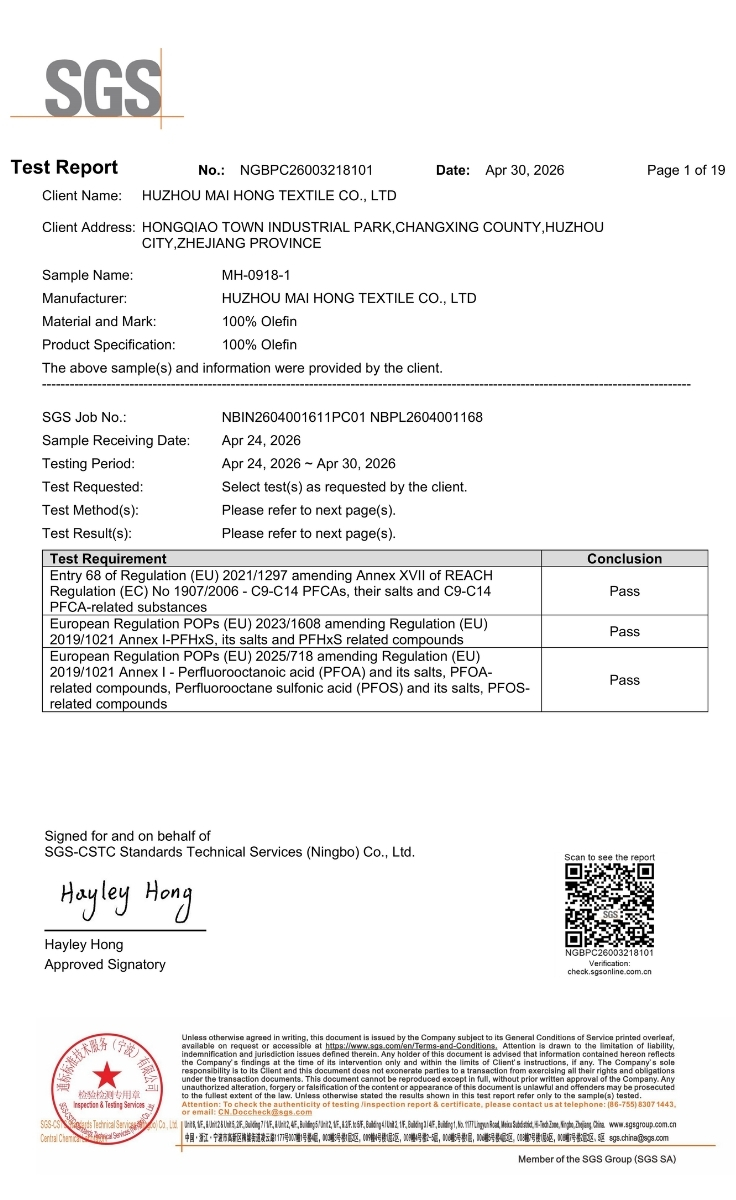
| REACH | Compliance with EU chemical regulatory requirements |
| GRS | Recycled materials, traceability, and production requirements |
| PFAS-free | A claim concerning the presence or absence of PFAS within a defined scope |
OEKO-TEX® STANDARD 100 focuses on testing textile products for a defined range of harmful substances, with substance limits updated in accordance with the requirements of the standard.
REACH, on the other hand, refers to the EU’s regulatory framework for chemicals and may impose obligations on businesses under certain conditions, such as when an article contains substances listed on the Candidate List.
GRS focuses on recycled materials and chain of custody, helping verify recycled content and traceability throughout the supply chain.
Meanwhile, PFAS-free is a claim concerning the presence or absence of PFAS within a defined scope. PFAS are also receiving increasing regulatory attention, particularly in the EU.
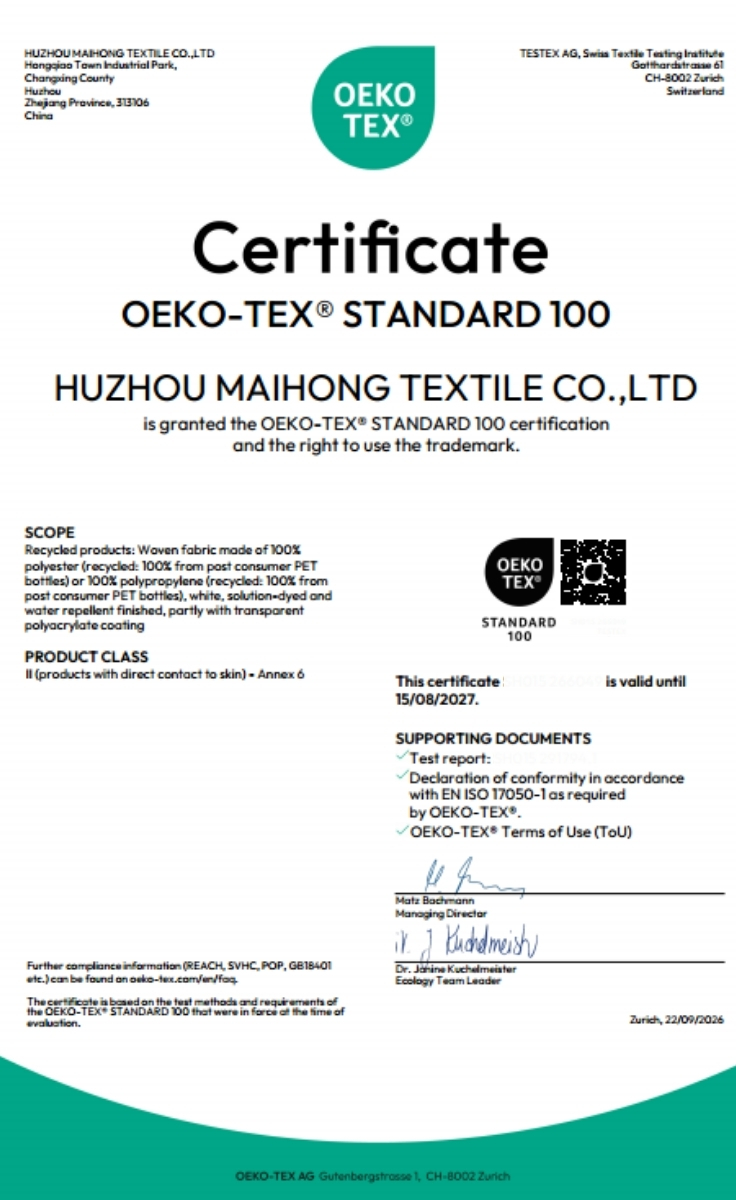
What Is OEKO-TEX STANDARD 100?
When researching textile certifications, OEKO-TEX® STANDARD 100 is one of the standards that Purchasing Managers, Architects, and FF&E teams commonly encounter when selecting fabrics.
OEKO-TEX® STANDARD 100 focuses on testing textile products for the presence of harmful substances.
One important point is that the testing scope is not limited to the main fabric itself. According to OEKO-TEX, the components of a certified product — from fibers and fabrics to accessories — are covered by the testing requirements of the standard. The higher the level of skin contact, the more stringent the testing requirements become.
What Is REACH Compliance?
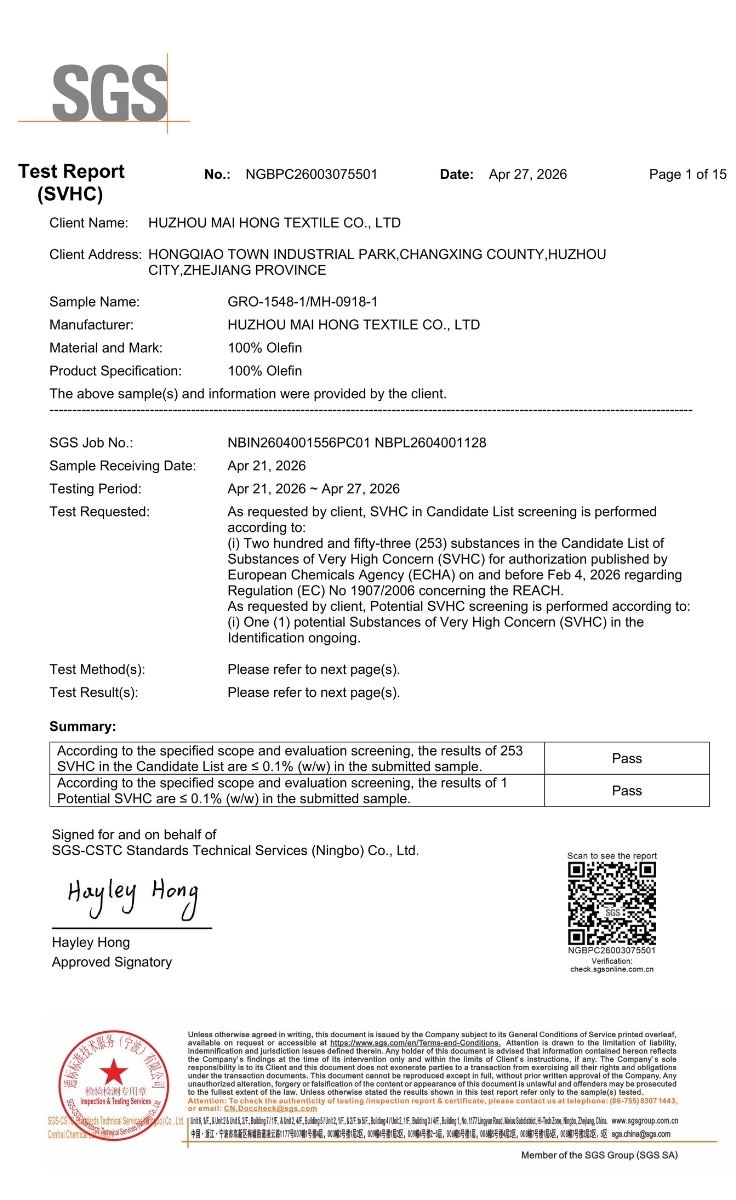
REACH (Registration, Evaluation, Authorisation and Restriction of Chemicals) is a stringent European Union (EU) regulatory framework designed to control the risks associated with industrial chemicals.
A key focus of REACH is the management of SVHCs (Substances of Very High Concern), including substances that may pose risks such as carcinogenicity or bioaccumulation.
For textile and interior applications, a fabric that complies with REACH must demonstrate that the concentration of SVHCs is below 0.1% by weight. REACH is not a voluntary certification; rather, it is a mandatory regulatory requirement for products entering or being specified for projects in the European market.
What Is the Global Recycled Standard (GRS)?
The Global Recycled Standard (GRS) is an international standard for products containing recycled materials, such as rPET (Recycled Polyester).
Unlike unsupported recycled-content claims, GRS verifies the actual percentage of recycled material and tracks the product throughout its Chain of Custody, from the collection of waste materials through to the finished product.
Beyond recycled content and traceability, the standard also evaluates environmental criteria, including wastewater and chemical management, as well as social responsibility requirements such as worker safety at manufacturing facilities.
For hotel and resort projects, GRS-certified upholstery fabrics can provide valuable documentation to support ESG reporting and green-building requirements, including projects pursuing certifications such as LEED or WELL.
What Does “PFAS-Free” Actually Mean?
PFAS-free represents an important shift in finishing technology within the outdoor fabric industry.
PFAS (Per- and polyfluoroalkyl substances) have historically been used in certain finishes to provide water repellency and stain resistance. However, they are often referred to as “forever chemicals” because of their persistence in the environment and growing concerns surrounding their potential health impacts.
A textile product labeled PFAS-free — or manufactured using a C0 finish — indicates that PFAS are excluded from the specified finishing process. For outdoor applications such as poolside furniture and resort rooftops, this approach can support water-repellent performance while addressing project requirements related to PFAS.
What Should Purchasing Ask a Fabric Supplier?
To verify material transparency, Purchasing teams should ask for specific, verifiable documentation rather than relying on general claims or marketing statements.
- Is the REACH Declaration of Conformity for this specific fabric code updated according to the latest SVHC requirements?
- What is the exact percentage of recycled polyester (rPET), and is there a valid GRS certificate number for traceability?
- Does the water-repellent coating use C6 technology containing PFAS, or is it a C0, PFAS-free finish?
- Is the specific fabric code certified to OEKO-TEX® STANDARD 100?
How Art Fabric Viet Nam Approaches Material Specification
Meeting sustainability and health-related standards should never come at the expense of performance in commercial interiors.
At Art Fabric Viet Nam, we take a material-specification approach that combines demanding physical performance — including high Martindale abrasion resistance and strong UV resistance — with internationally recognized sustainability and compliance standards.
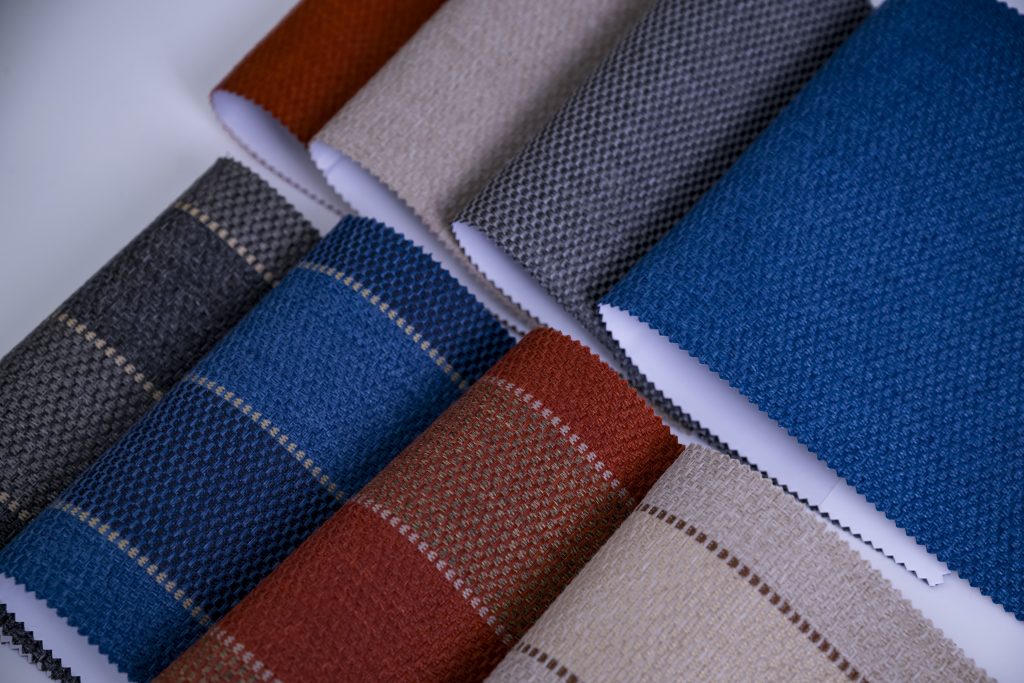
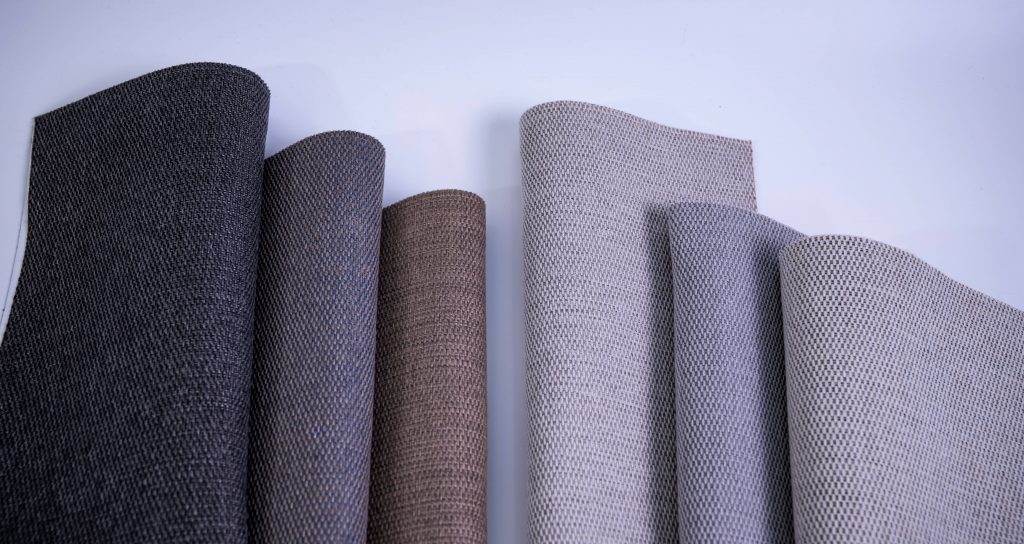
We provide transparent technical specifications across our range of Recycled Polyester and Olefin outdoor fabrics. Our products are developed and supplied with strict attention to REACH and OEKO-TEX requirements, while also embracing the latest PFAS-free finishing technologies.
With this integrated approach, Art Fabric Viet Nam is proud to support Architects, Developers, and Project Owners in creating premium hospitality spaces that are durable, performance-driven, and designed to meet evolving health and sustainability expectations.
From fiber selection to technical compliance, we help turn fabric specification into a smarter project decision.