Have you ever wondered why a beautiful outdoor fabric can look pristine for years on a private patio, yet completely fall apart after just one peak season in a hotel lobby? The answer comes down to one critical factor: Intensity of Use.
In the world of exterior textiles, Contract-Grade and Residential-Grade fabrics are two entirely different beasts. Specifying the wrong one isn’t just a mistake—it is a design disaster waiting to happen.
Join Art Fabric Vietnam as we decode the ultimate survival guide for outdoor materials. We will break down UV resistance, abrasion ratings, environmental stressors, and the strictest technical requirements so you can confidently specify the perfect fabric for your next project.
Contract-Grade vs Residential-Grade Outdoor Fabric
Contract-Grade Outdoor Fabric
Contract-Grade Outdoor Fabric is a specialized class of high-performance textiles, meticulously engineered to withstand the most punishing demands of durability, operation, and maintenance in commercial environments.
This material is the indispensable foundation for premium public spaces, including:
- Hotels & Resorts: Poolside areas, luxury cabanas, and suite balconies.
- Restaurants & Cafés: Al fresco dining spaces and vibrant rooftops.
- Beach Clubs: Heavy-duty sun loungers and oceanfront relaxation lounges.
- Commercial & Shared Spaces: High-traffic communal areas in office towers and luxury condominiums.
The ultimate differentiator in a contract environment is usage intensity. While a cushion at a private villa might see just a few hours of use per day, a resort cushion is subjected to relentless wear by countless guests, coupled with aggressive scheduled cleanings.
This is exactly why savvy investors and architects understand one golden rule: Color and design are merely the surface. The technical specifications are the true backbone that determines the lifespan of the entire project.
Residential-Grade Outdoor Fabric
Residential fabric refers to the familiar, comforting materials you see in your own home—elegant drapery, plush sofa covers, and cozy, highly decorative cushions. These fabrics are fundamentally engineered for private spaces with low foot traffic.
Residential-Grade Outdoor Fabric is the ideal choice for intimate outdoor sanctuaries, including:
- Villas
- Patios
- Balconies
- Rooftop Terraces
This category of fabric prioritizes style, unparalleled comfort, and a luxurious tactile experience above all else. Its mission is not to bear the brunt of hundreds of strangers every week—and quite frankly, it doesn’t need to.
The real trouble begins when residential fabrics are mistakenly specified for commercial environments. While that stunning aesthetic might hold up for the first few months, it simply cannot survive in the long run. Under the brutal assault of intense sunlight, aggressive cleaning chemicals, and heavy daily usage, the fabric’s structure will rapidly collapse
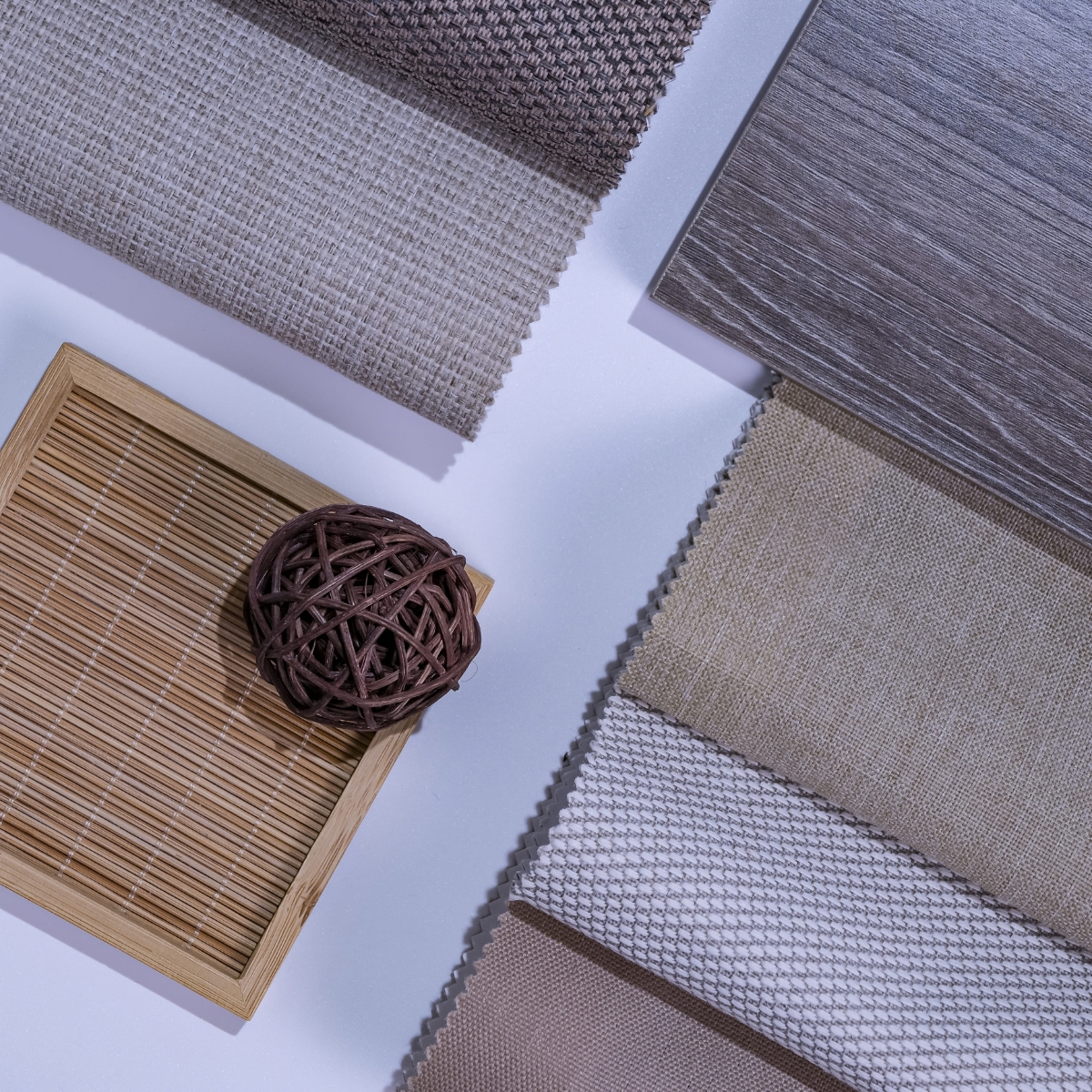
4 Key Performance Criteria for Outdoor Fabrics
In commercial projects, the risks associated with material failure can be significant. That is why choosing Outdoor Fabric should go far beyond selecting an attractive color or pattern.
Large-scale projects are often specification-driven, where every material decision needs to be supported by rigorous performance data.
Abrasion Resistance
The difference often comes down to how well a fabric withstands continuous friction and repeated use.
Residential Fabric: Typically rated at around 15,000–30,000 abrasion cycles (Martindale/Wyzenbeek).
Contract-Grade Fabric: Heavy-duty options can reach 50,000 to over 100,000 cycles, providing greater resistance to intensive use in demanding commercial environments.
UV Resistance & Colorfastness
Residential Fabric: Traditional surface-dyeing methods may be more vulnerable to prolonged exposure to intense sunlight, potentially resulting in visible fading over time.
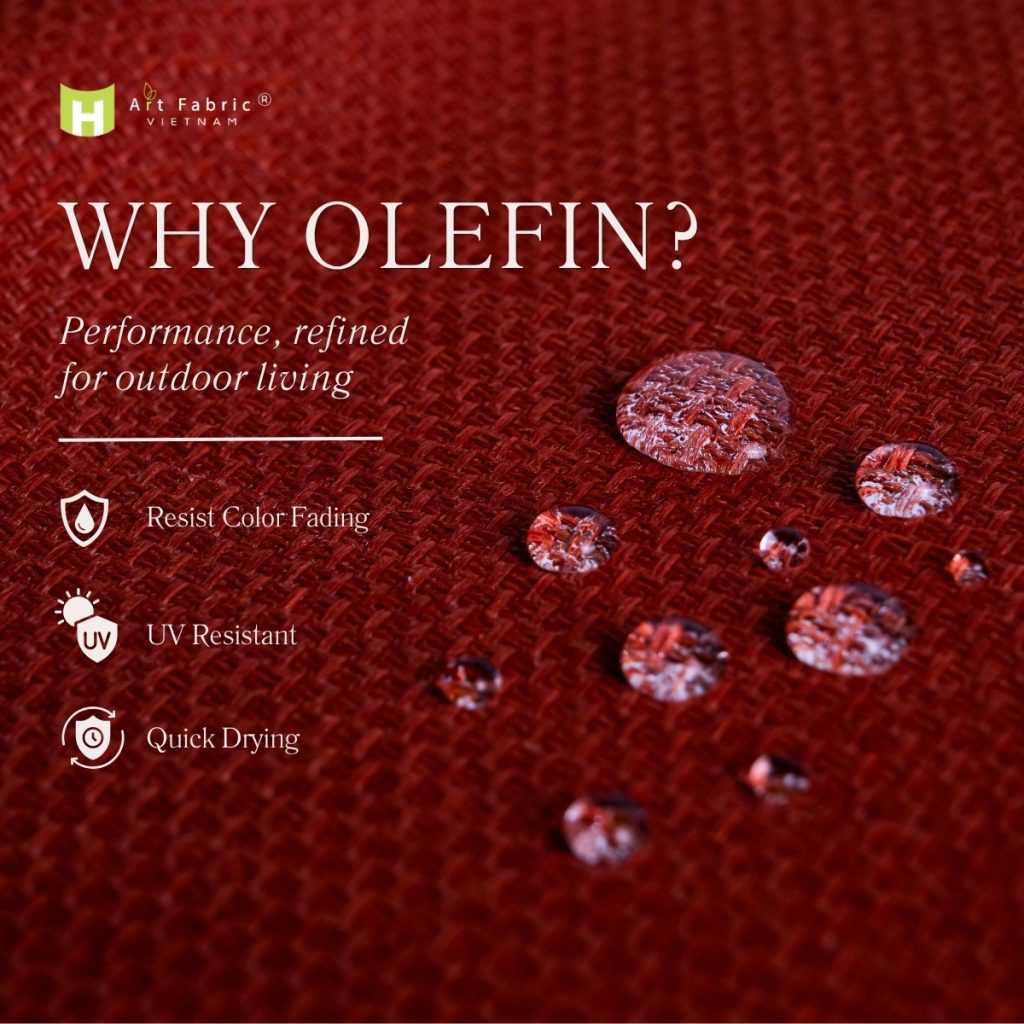
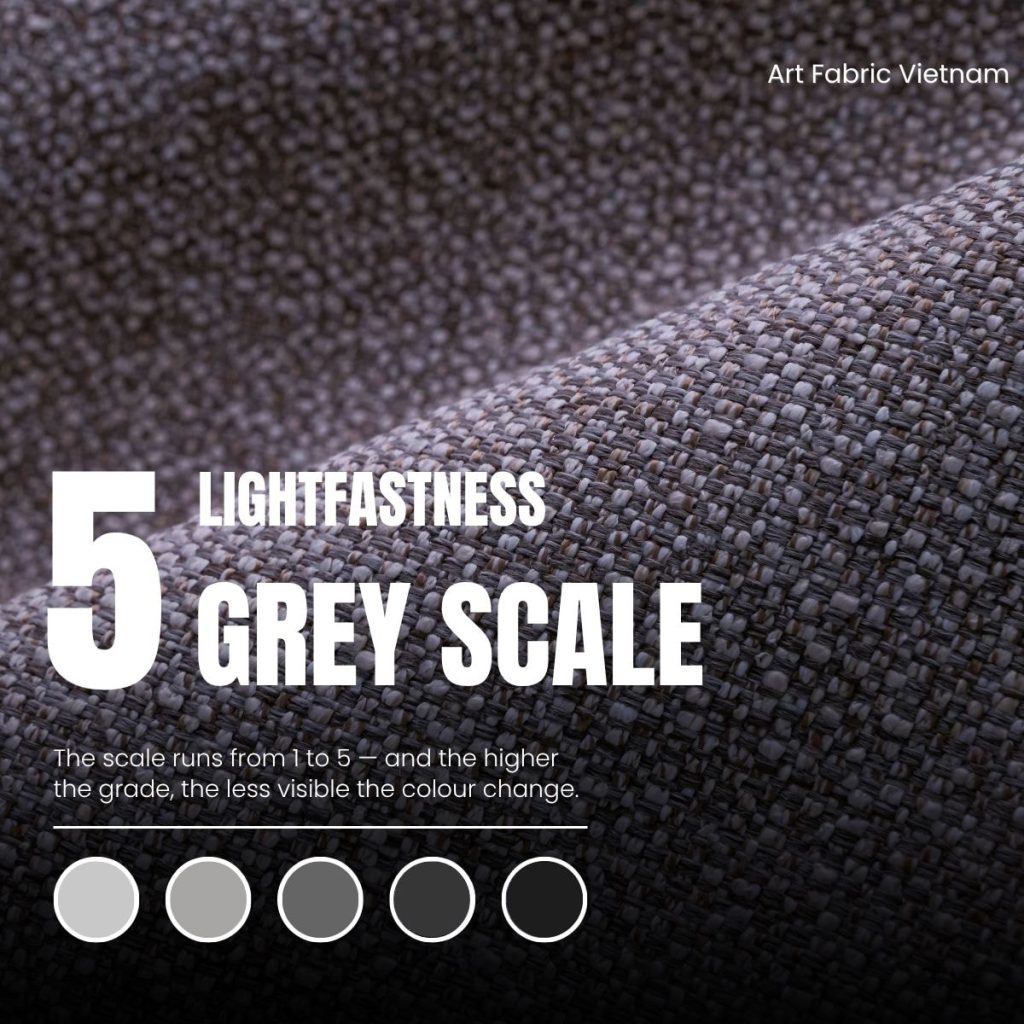
Contract-Grade Fabric: Solution-Dyed technology—commonly used with Olefin and rPET fibers—integrates color directly into the polymer before the fiber is formed. This approach can provide enhanced color retention under prolonged UV exposure, with the source material citing performance of 1,500 to more than 2,000 hours under intense sunlight.
Resistance to Moisture, Mildew
Residential Fabric: May rely primarily on surface-applied water repellency. Once that protective layer is compromised, prolonged moisture exposure can increase the risk of problems within the upholstery system.
Contract-Grade Fabric: Certain performance fabrics can be engineered to withstand demanding environments, including exposure to chlorinated pool water, saltwater, and sunscreen. Some constructions are also designed to promote drainage and may offer bleach-cleanable performance for intensive commercial cleaning.
Fire Safety
Residential Fabric: Fire-performance requirements may be less demanding depending on the application and market.
Contract-Grade Fabric: Commercial and hospitality projects may require compliance with specific fire-safety standards, such as CA TB117 (US) or BS5852 (UK), depending on the project, application, and applicable regulations.
For architects, designers, and project teams, these requirements are not simply technical details. They can play an important role in ensuring that the selected fabric is appropriate for the performance, operational, and safety requirements of the space.
Elevate Your Outdoor Spaces with Art Fabric Vietnam
You no longer have to compromise between rugged durability and luxurious comfort. At Art Fabric Vietnam, we deliver international Contract-Grade outdoor textile solutions, spearheaded by our breakthrough Solution-Dyed Olefin collections. Our materials are meticulously engineered to defy the harshest weather conditions while retaining the soft, sophisticated hand-feel of premium indoor upholstery.
The Ultimate Checklist for Interior Designers
If you are specifying for hotels, restaurants, co-working spaces, or any high-traffic environment, you must ask your supplier these critical questions:
- What is the exact cycle count on the abrasion resistance test?
- Does this fabric carry strict fire safety certifications?
- Is the material genuinely stain-resistant, or is it purely decorative?
- Will the color fade under intense UV exposure or bleach out when cleaned with harsh chemicals?
Ultimately, the right fabric must not only meet rigorous functional demands but also deliver uncompromising aesthetic value for your design.