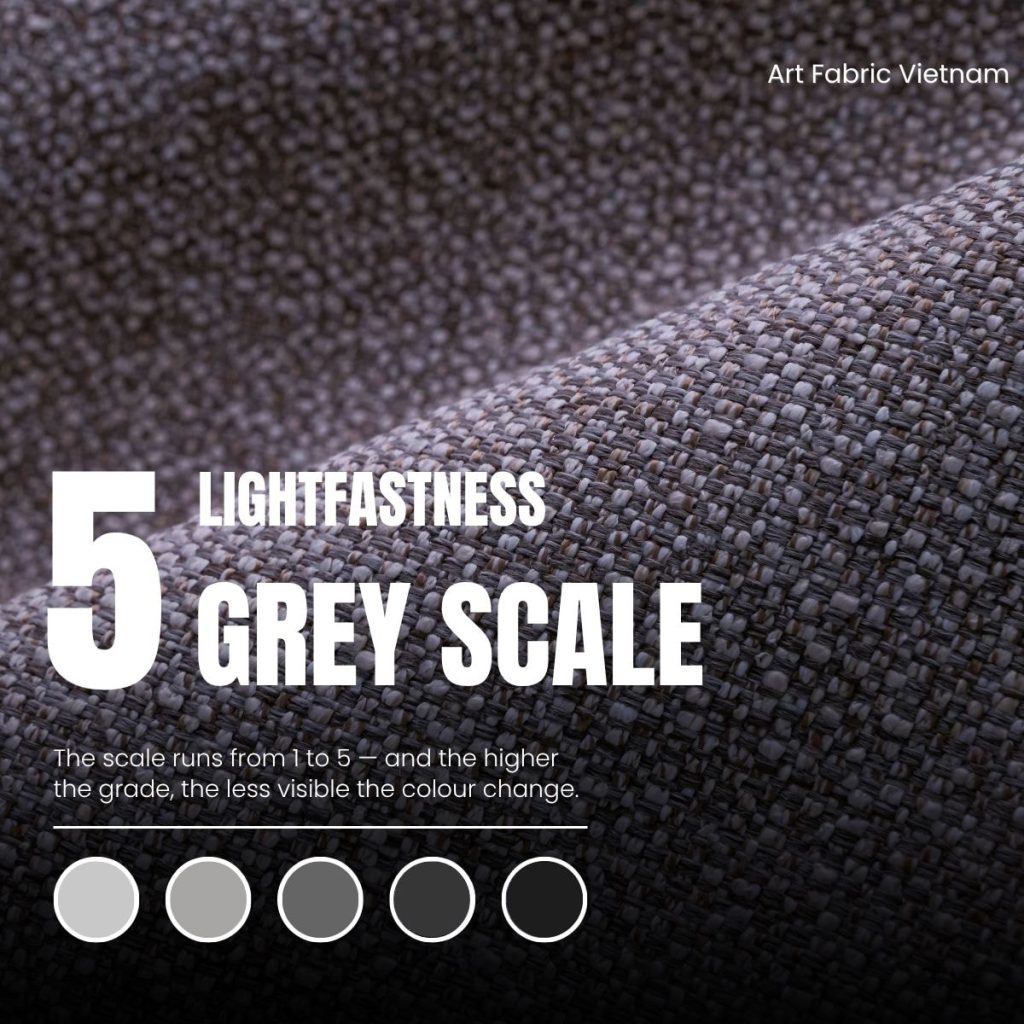
A beautiful fabric can make an immediate impression through its colour and feel. Yet specifying upholstery for hotel sofas, restaurant seating or luxury resorts calls for a closer look at the technical performance behind the surface.
When comparing Martindale vs Wyzenbeek, buyers are looking at two widely used methods for assessing fabric abrasion resistance. Their results, however, cannot be compared simply by placing two numbers side by side. Understanding the test method, measurement units and testing conditions helps you make informed material choices and establish clear specifications with your supplier.

Upholstery Abrasion Guide Martindale vs Wyzenbeek
Both methods assess how fabrics withstand abrasion, but they use different testing mechanisms. Understanding these differences makes it easier to interpret test reports and recognise what the results tell you about a material.
Martindale
Martindale is a method for testing fabric abrasion resistance through controlled friction.
The fabric specimen is rubbed against an abrasive material in a multidirectional Lissajous pattern. Results are typically expressed as a cycle count, accompanied by the test standard and assessment criteria. Relevant standards include ASTM D4966 and the ISO 12947 series.
Specifically, ISO 12947-2 determines specimen breakdown through inspections at defined intervals. When reviewing a report, buyers should therefore check whether the specimen reached the breakdown criterion or whether testing simply stopped at the requested cycle count.
A statement such as “50,000 Martindale cycles” becomes more meaningful when the testing conditions and the specimen’s condition at the end of the test are clearly documented.
Wyzenbeek
Wyzenbeek is an abrasion test method that uses an oscillating cylinder, associated with ASTM D4157.
The fabric specimen is held under tension and subjected to abrasion through a back-and-forth movement. Results are typically reported in double rubs, with one complete forward-and-back movement counted as one double rub.
“Wyzenbeek” therefore identifies the test method, while “double rubs” describes the counting unit. The terms are related, but they are not interchangeable.
When a supplier specifies “50,000 double rubs”, request a report that identifies the test method, abrasive material, testing conditions and endpoint criteria.
Can Martindale Results Be Converted to Wyzenbeek?
There is no reliable universal formula for converting between the two results. ACT notes that Wyzenbeek and Martindale results do not correlate and should not be treated as equivalent scales.
For example, fabric A achieving 100,000 Martindale cycles and fabric B achieving 50,000 Wyzenbeek double rubs does not demonstrate that fabric A is twice as durable.
To assess the two options, buyers should first agree on the test method accepted for the project, then review the testing conditions and assessment criteria.
Why Do Testing Conditions Matter Even When the Method Is the Same?
Matching test methods are only the starting point. Two suppliers may both submit reports labelled “Wyzenbeek”, but that alone does not make their results directly comparable.
When preparing a supplier comparison, include separate columns for:
- The test standard and applicable edition.
- The abrasive material and testing conditions.
- The reported cycle count or double rubs.
- The assessment criteria and reason for ending the test.
- The identification code of the specimen tested.
This structure makes gaps easier to identify and gives buyers a clearer basis for approving materials.
What Abrasion Rating Should Hotel Upholstery Meet?
For woven upholstery fabrics used indoors in high-traffic areas, ACT’s voluntary guidelines provide the following benchmarks:
| Test Method | Benchmark | Conditions Specified by ACT |
| Wyzenbeek — ASTM D4157 | 30,000 double rubs | ACT-approved #10 cotton duck abradant |
| Martindale — ASTM D4966 | 40,000 cycles | 12 kPa pressure |
These are separate thresholds for each method. They are not a conversion ratio or certification of suitability for every outdoor environment.
Begin with the intended application when setting performance requirements. Frequently used dining chairs, guestroom sofas and decorative cushions should each be assessed against the demands of their specific setting.
Applying Martindale vs Wyzenbeek to Fabric Selection
Within a hotel or resort, different areas place different demands on upholstery. The table below offers a starting point for discussing material requirements, rather than mandatory technical thresholds.
| Application | Priorities to Discuss |
| Lobby sofas and waiting-area seating | Frequency of use, appearance retention and cleaning procedures |
| Restaurant and bar seating | Frequent friction, stain removal and seam design |
| Guestroom sofas | A balance of tactile comfort, aesthetics and performance |
| Sheltered outdoor sofas | Light exposure, humidity and protection or storage arrangements |
| Poolside loungers | Pool water, sunscreen exposure, cleaning and drying |
| Coastal furniture | Exposure to seawater, sand and sunlight, alongside maintenance requirements |
A project can maintain a cohesive colour palette while using different fabric constructions for different applications. The key is to agree on both aesthetic expectations and technical criteria before placing an order.
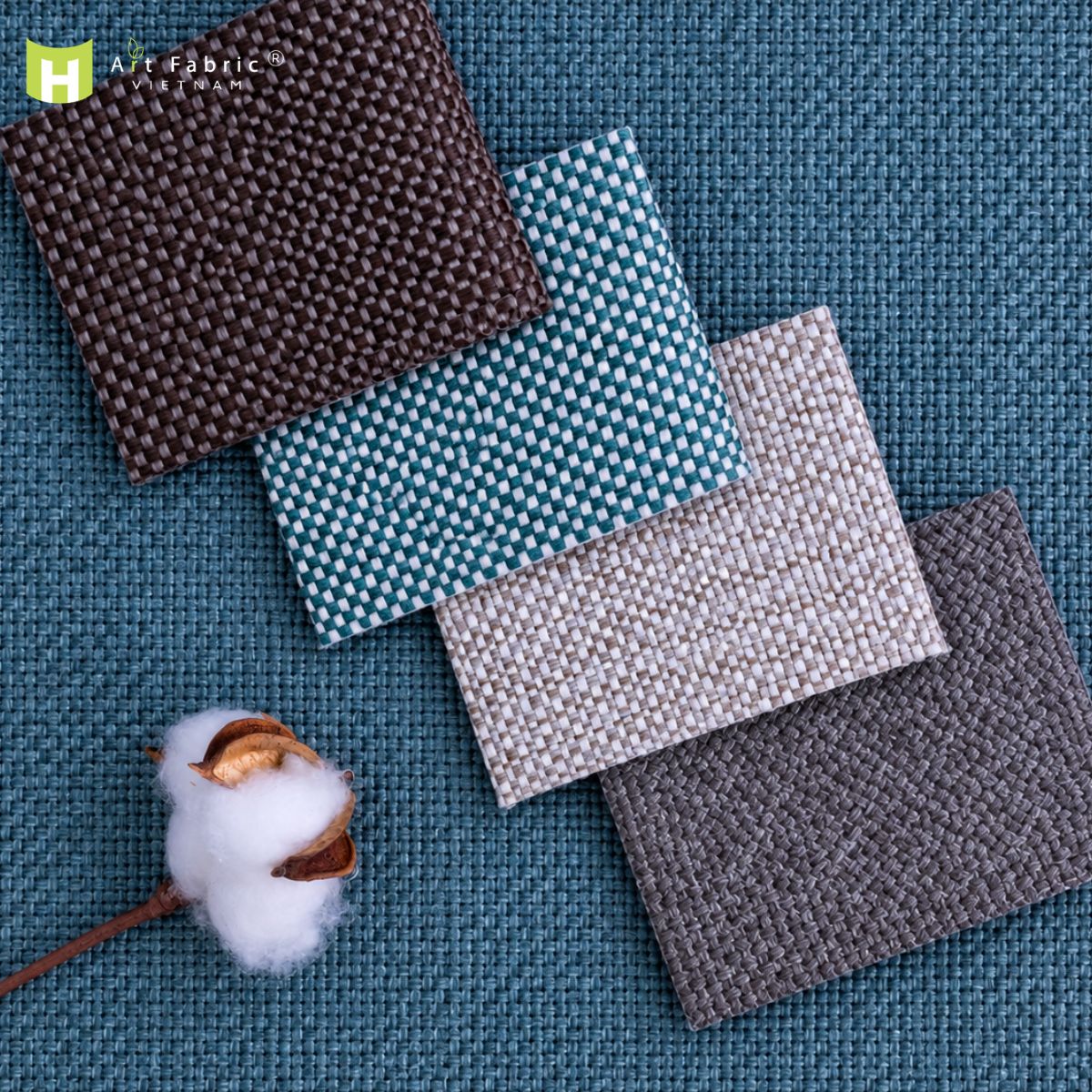
Outdoor Fabrics Need More Than an Abrasion Rating
For resorts and beach clubs, a Martindale or Wyzenbeek report provides only part of the picture. A fabric may withstand tens of thousands of abrasion cycles, yet premature or uneven fading can still compromise the appearance of a carefully designed space.
For a more complete assessment, ACT recommends considering colourfastness, physical properties, end-use requirements and cleaning procedures alongside abrasion performance.
Depending on the intended setting, buyers should request information covering:
- Colourfastness to light: The test method and the degree of colour change after exposure.
- Colourfastness to chlorinated pool water or seawater: Where the relevant exposure is expected.
- Appearance retention: Requirements for fuzzing, pilling and other surface changes.
- Maintenance: Stain-removal instructions, permitted cleaning products and drying guidance.
For a closer look at how these factors relate to daily operations, explore our guide to colourfastness and abrasion resistance for resort upholstery.
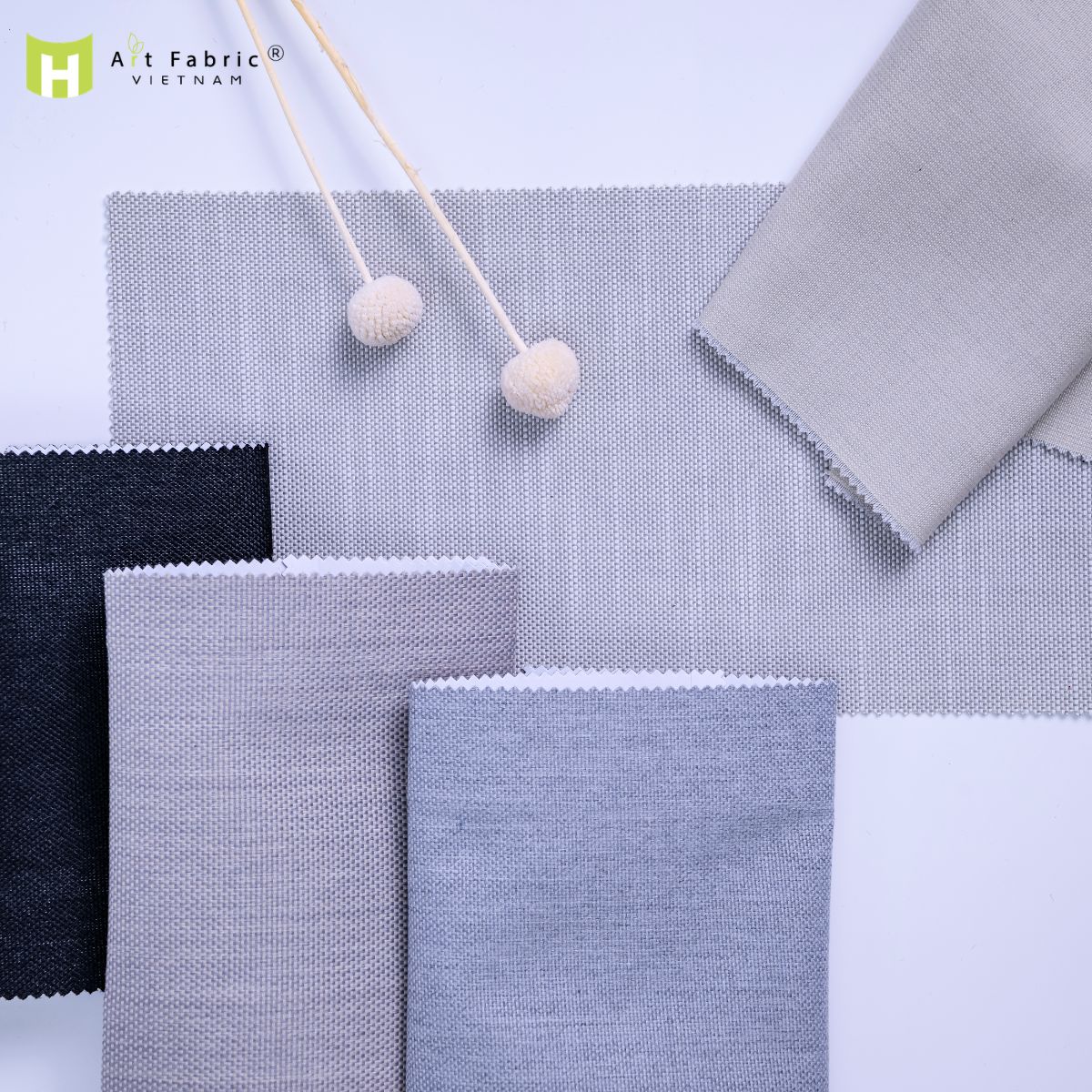
Find the Right Upholstery Fabric with Art Fabric Vietnam
Successful fabric selection brings together three essentials: design intent, technical evidence and real-world use.
With Olefin, Polyester, Recycled Polyester and blended fabric options, Art Fabric Vietnam offers a range of possibilities for outdoor sofas, decorative cushions and loungers.
Start by sharing your product type, intended setting and project requirements. Together, we can explore suitable samples, tactile qualities and colour palettes, alongside the performance documentation relevant to your application.
Discover the Ultimate Soft Collection or contact Art Fabric Vietnam to request samples and discuss material options for your project.
Hotline: +84 375 539 566
Email: sales@artfabric.vn
Website: Art Fabric Vietnam
Frequently Asked Questions
Which Is Better: Martindale or Wyzenbeek?
Neither method is better for every application. The choice should reflect the material type, project specifications and test method accepted by the buyer.
Are 50,000 Martindale Cycles Equivalent to 50,000 Double Rubs?
No. Equal counts do not demonstrate equivalent performance because the results are produced using different test methods.
Does a High Abrasion Rating Guarantee Outdoor Suitability?
No. Suitability also depends on performance requirements relating to light exposure, water, appearance retention and maintenance in the intended environment.