A poolside lounger may look flawless on opening day. The real test is how well it performs months later—after repeated exposure to chlorinated water, salt-laden air, intense sunlight, and frequent cleaning.
For resorts and beach clubs, selecting the right poolside & beach club fabrics goes far beyond color and hand feel. Colorfastness to chlorinated water and seawater must be considered within the complete operating environment, alongside UV exposure, moisture, abrasion, and maintenance routines.
One honest caveat before anything else: colorfastness to chlorine does not mean waterproofing — water resistance is a separate property with its own tests — and colorfastness to seawater does not make a textile immune to every coastal stressor. A performance rating only means something when it is backed by a recognized test method, clearly defined test conditions, and verified results for the exact fabric and colorway specified.
How to Evaluate Colorfastness to Chlorine and Seawater
Poolside and coastal environments expose fabrics to multiple stressors at once: pool chemicals, salt, UV radiation, heat, humidity, repeated wet-dry cycles, sunscreen, food and beverage spills, and friction from frequent use and cleaning. A fabric may perform well in a single laboratory test yet still fall short in real-world conditions if the complete operating environment is overlooked.
- Poolside loungers are frequently exposed to splashes of chlorinated water and may require cleaning several times a day.
- Beach club furniture must withstand salt-laden air, seawater, sand, wind, and high humidity. If not rinsed properly, salt deposits can remain on the fabric surface.
- Uncovered areas face continuous UV exposure and heat, increasing the risk of fading and color change.
- High guest turnover creates repeated friction across seating surfaces, seams, and high-contact areas.
- Improper cleaning methods can affect the fabric’s appearance, color, texture, and finish.
The key takeaway: Evaluate each fabric according to its intended location and operating conditions—not simply by the label “outdoor fabric.” This principle is also explored in our guide to colorfastness and abrasion resistance for resort fabrics.
How Does Chlorine Affect Fabric Color?
Chlorine keeps swimming-pool water hygienic by controlling microorganisms — public-health bodies such as the CDC publish detailed pool-water guidance on disinfectant levels and pH. Inside dyed or printed textiles, however, active chlorine can trigger oxidation that weakens certain color systems.
Pool water carries far lower chlorine concentrations than household bleach — yet repeated exposure can still contribute to fading, discoloration, or shade changes, especially when UV radiation, heat, and frequent cleaning act at the same time. That is exactly why standardized methods such as AATCC TM162 simulate repeated contact with dilute chlorinated water under controlled concentration, temperature, and pH
How Does Color Fading Occur?
Conventional coloration methods do not all respond to chlorine in the same way. Performance depends on fiber type, dye chemistry, the coloring process, finishing treatment, chlorine concentration, and frequency of exposure — the same variables that separate piece-dyed from solution-dyed construction.
When a color system is vulnerable to oxidation, repeated contact with chlorinated water — or cleaning products used at the wrong concentration — can end in fading, uneven discoloration, or a permanent shade change that no amount of washing will reverse.
Solution-Dyed Technology
For demanding beach club fabric applications, solution-dyed textiles are often preferred for their enhanced color stability.
During solution dyeing, pigments are added to the liquid polymer before the fiber is formed. This distributes the color throughout the fiber rather than applying it only after production, helping the textile maintain its appearance under exposure to UV, chlorinated water, and approved mild-bleach cleaning.
However, no fabric should be described as completely immune to chlorine. Its suitability must still be confirmed through test results for the exact fabric and colorway, together with the manufacturer’s recommended cleaning instructions.
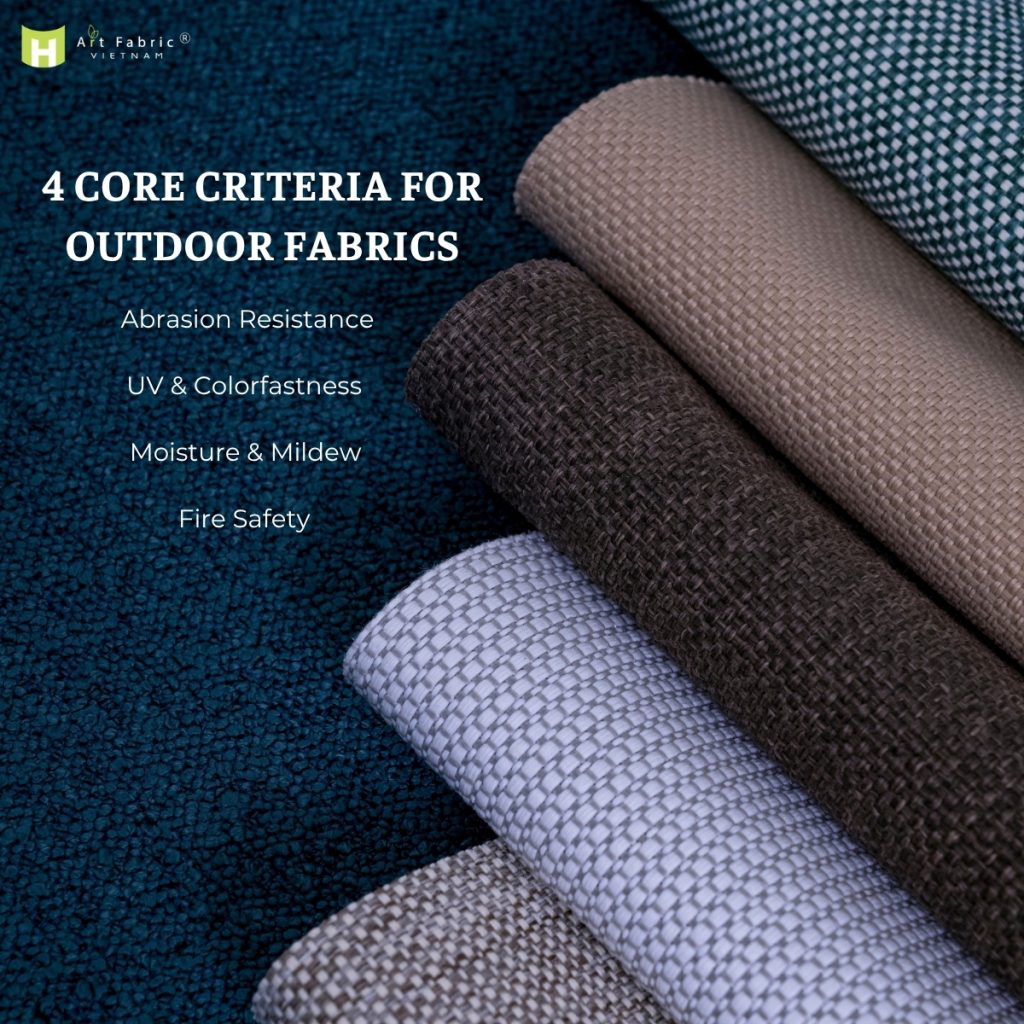
4 Essential Criteria for Selecting Poolside Fabrics
A fabric may look flawless in the showroom, but its true value is revealed only after months of exposure to chlorinated water, seawater, intense sunlight, frequent cleaning, and continuous guest use.
To protect long-term value, reduce maintenance costs, and preserve a polished poolside appearance, purchasing managers should evaluate fabrics against four essential performance criteria.
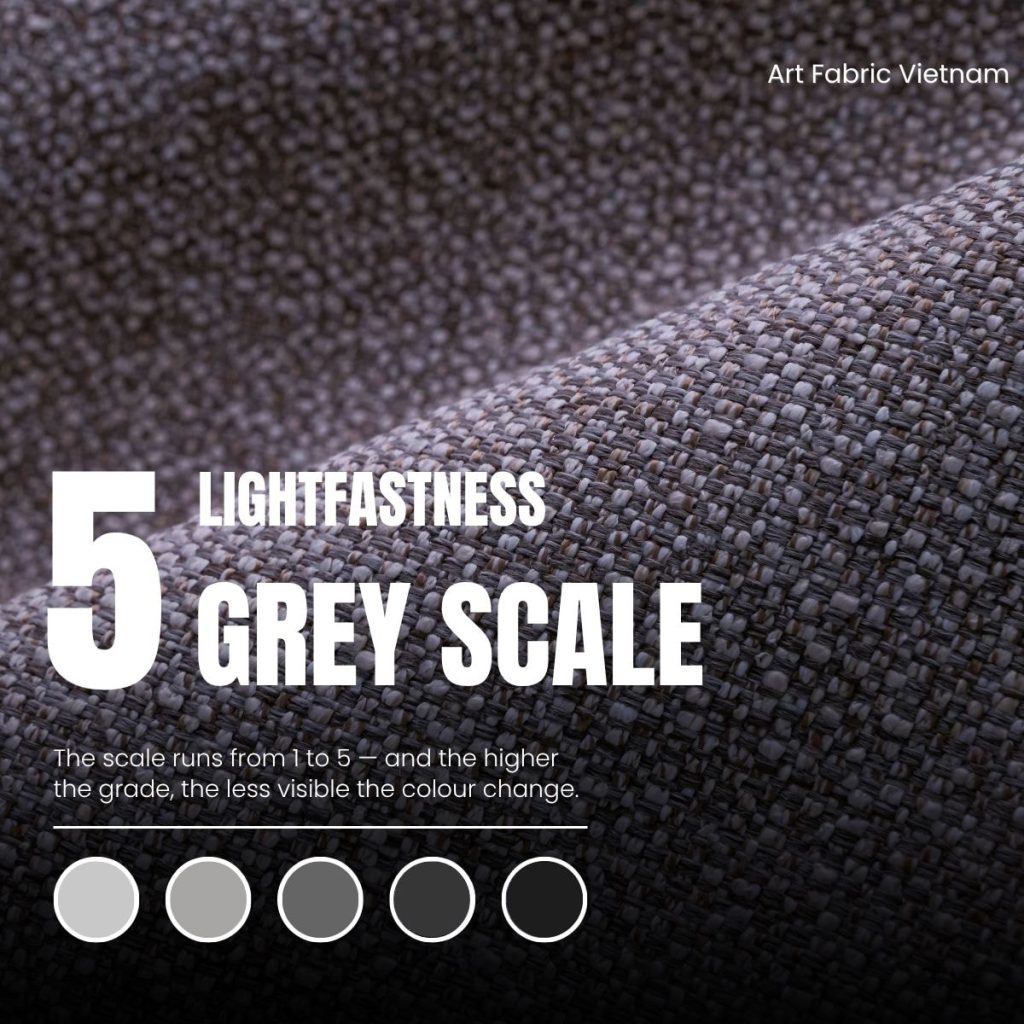
Colorfastness
Request verified results for Colorfastness to Chlorinated Water and Colorfastness to Seawater using the appropriate ISO or AATCC test method.
A Grade 4–5 rating may be considered a high-performance target, but the result is meaningful only when it applies to the exact fabric, colorway, test conditions, and project requirements. Where available, review both color change and staining results.
Abrasion Resistance
Poolside areas, resorts, and beach clubs experience constant guest turnover and repeated surface contact. Fabrics must therefore provide abrasion resistance appropriate to their intended use.
A benchmark of 30,000–50,000 double rubs or higher may be considered for high-traffic seating, provided the result comes from the same test method and clearly defined evaluation criteria. Results from different abrasion methods should not be compared directly.
Moisture and Mildew Management
Effective moisture control depends on more than the fabric surface. The entire cushion system must support drainage, airflow, and rapid drying.
Fabric, foam, lining, seams, and drainage construction should be evaluated together to prevent prolonged moisture retention—one of the primary conditions that encourages unpleasant odors, mildew, and microbial growth.
Easy Cleaning and Maintenance
Poolside fabrics must allow operational teams to respond quickly to common contaminants such as sunscreen, body oils, food, and beverage spills.
Clear, fabric-specific care instructions help staff clean efficiently without altering the material’s color, texture, or finish. Approved cleaning products and concentrations should always be confirmed before use.
The right fabric does more than create a beautiful first impression. It helps preserve the guest experience, reduce downtime, simplify maintenance, and control costs throughout the project’s operational life.
Specifying the Right Fabric for Each Beach Club Zone
Not every area of a beach club faces the same conditions. Fabrics should therefore be specified according to each zone’s function, level of exposure, guest traffic, and maintenance requirements.
Sun Loungers
Prioritize breathable mesh or basketweave constructions that support effective drainage and rapid drying. The selected material should also provide suitable colorfastness to chlorinated water or seawater, reliable UV resistance, and a surface that allows sand, salt deposits, and sunscreen residue to be removed easily.
Final performance depends on the complete lounger assembly—including the fabric, foam, lining, seams, and drainage construction—not on the upholstery alone.
Cabana Sofas
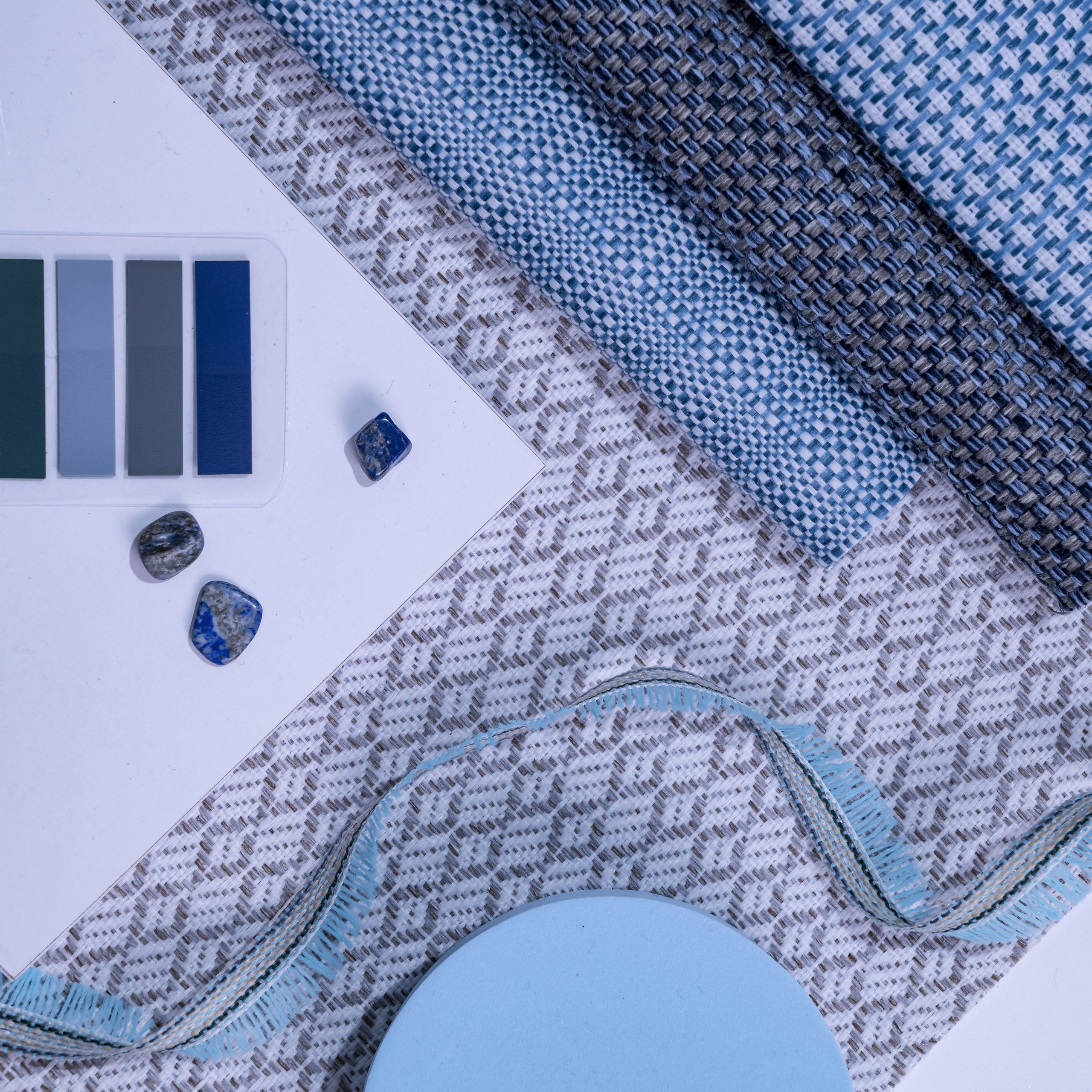
Cabana seating must balance refined comfort with dependable outdoor performance. Outdoor bouclé, jacquard, and mélange fabrics can introduce tactile depth and the sophisticated appearance of indoor upholstery while remaining suitable for exterior environments.
The selected fabric should still be evaluated for colorfastness, abrasion resistance, texture stability, and ease of cleaning—particularly against food, beverage spills, body oils, and sunscreen.
Poolside Bar Seating
Poolside bars experience high guest turnover, frequent spills, and continuous surface contact. Fabrics for these areas should offer strong abrasion resistance, a stable surface, and straightforward maintenance.
A performance level above 50,000 double rubs may be considered for high-traffic seating, provided the result is verified using the relevant test method, defined endpoint, and project specification.
An effective beach club does not need to use one fabric for every application. The better strategy is to create a visually coordinated material palette, with performance levels tailored to the demands of each zone.
Performance Fabric Solutions from Art Fabric Vietnam
Art Fabric Vietnam offers Olefin, Polyester, Recycled Polyester, and performance blends for a wide range of outdoor furniture and hospitality applications — from sofas, cushions, and loungers to umbrellas and upholstered seating.
For poolside and beach club projects, begin with the operating environment—not simply the color palette.
Our team can help you shortlist suitable fabrics, compare technical requirements, and review product-specific performance information. Any claims relating to chlorinated water, seawater, UV exposure, or cleaning should be verified through the technical data or test report for the exact fabric and colorway before the final specification is approved.
Start Your Project with Art Fabric Vietnam
Contact us to request fabric samples and project-specific material consultation.
- Address: 2nd Floor, 25 Bau Cat 2 Street, Ward 14, Tan Binh District, Ho Chi Minh City, Vietnam
- Hotline: (+84) 375 539 566
- Email: sales@artfabric.vn