Every year, the outdoor textile industry produces another wave of market reports, forecasts, and trend charts. But numbers alone do not always explain what is actually changing on the factory floor or in real projects.
The outdoor fabric market is evolving beyond basic weather resistance. Today, B2B buyers, interior designers, furniture manufacturers, and hospitality teams are looking for materials that combine reliable performance, refined aesthetics, chemical transparency, traceable sourcing, and long-term value.
These outdoor fabric market trends reflect a broader shift in how outdoor spaces are designed, specified, and used. Fabrics are no longer simply protective layers for outdoor furniture. They increasingly contribute to the comfort, visual identity, and operational performance of resorts, hotels, restaurants, residential terraces, and contemporary outdoor collections.
This guide explores the key trends shaping the market and the factors B2B buyers should consider when selecting outdoor fabrics for furniture and hospitality projects.
The Evolution of Exterior Textiles: Redefining Luxury for B2B & Hospitality
Before examining the trends in detail, it is worth looking at the market signals behind them.
- According to Fortune Business Insights, the global outdoor fabric market was valued at USD 14.18 billion in 2025 and is projected to reach USD 21.20 billion by 2034, representing a CAGR of approximately 4.57%.
- Grand View Research forecasts that the European outdoor fabric market will reach approximately USD 5.3 billion by 2030.
Steady growth over a decade suggests that outdoor textiles are becoming an increasingly mature, performance-led market rather than a short-lived lifestyle trend. Four key forces are helping drive this shift:
The rise of outdoor living. Balconies, patios, terraces, and gardens are increasingly designed as extensions of the home. This creates stronger demand for upholstery fabrics that combine comfort, visual appeal, and outdoor durability—particularly across high-performing outdoor fabric collections.
Hospitality renewal cycles. Hotels, resorts, restaurants, and leisure spaces regularly review upholstery materials as part of their maintenance, refurbishment, and guest-experience strategies. The exact replacement cycle will vary by project, use intensity, climate, and maintenance standards, but reliable materials remain a long-term operational priority.
Urban outdoor spaces. Even compact balconies and small terraces are now being designed as meaningful areas for relaxation and entertaining. This increases the need for fabrics that are practical, easy to maintain, visually refined, and suitable for smaller-scale furniture applications.
Material economics. High-performance synthetic fibers can offer strong long-term value when selected for the right application. Their durability, maintainability, and versatility are among the reasons Polyester remains a popular option across many outdoor furniture projects.
High-Performance Materials
Extreme climates, relentless daily usage, and increasingly rigorous aesthetic expectations have posed a formidable challenge for the industry. Today, exterior fabrics cannot afford to merely look beautiful “momentarily” when fresh off the factory floor. A flawless design for an outdoor sofa, cushion, or lounger must be a highly resilient entity. It must steadfastly maintain its integrity against blistering ultraviolet rays, sudden torrential downpours, dirt, heavy abrasion, and frequent, rigorous cleaning cycles.
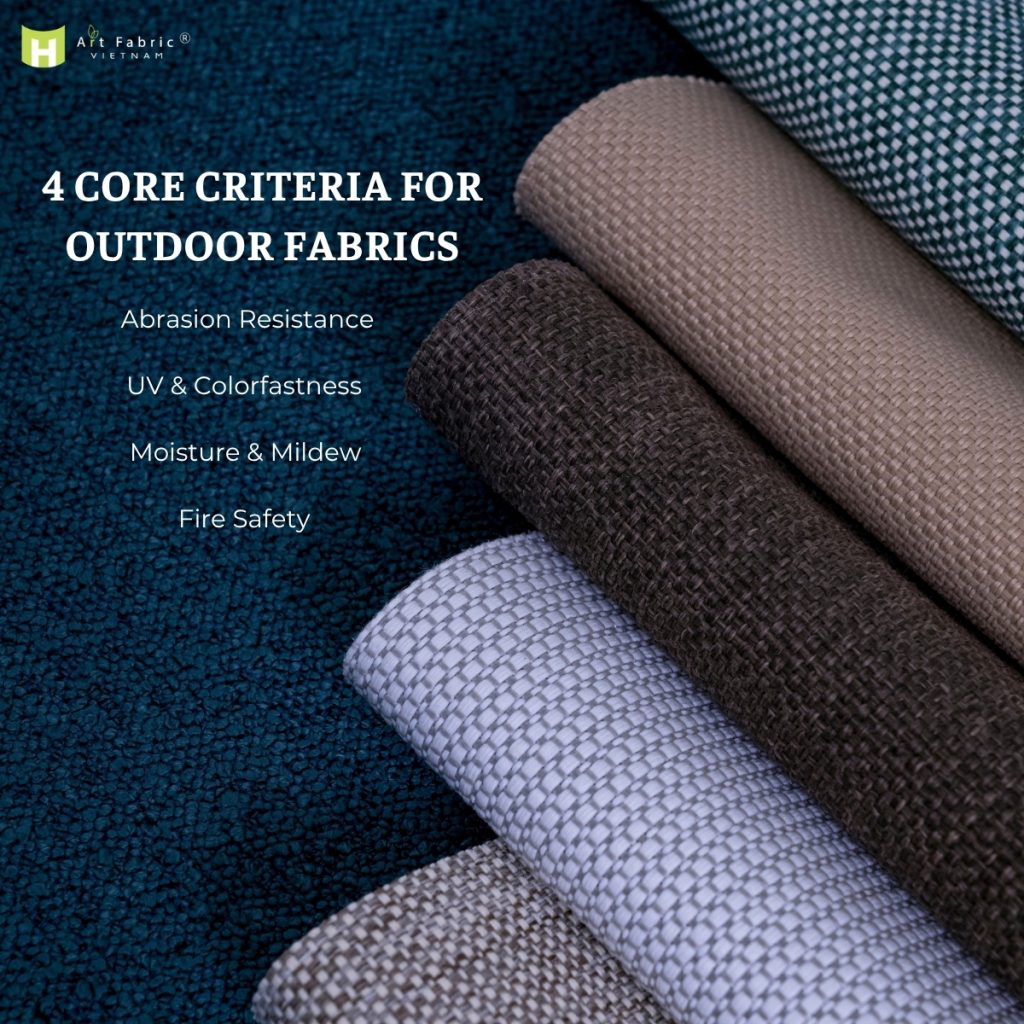
The explosive performance fabric market growth is a direct testament to a new, uncompromising paradigm. In this era, materials are evaluated through a holistic and demanding lens:
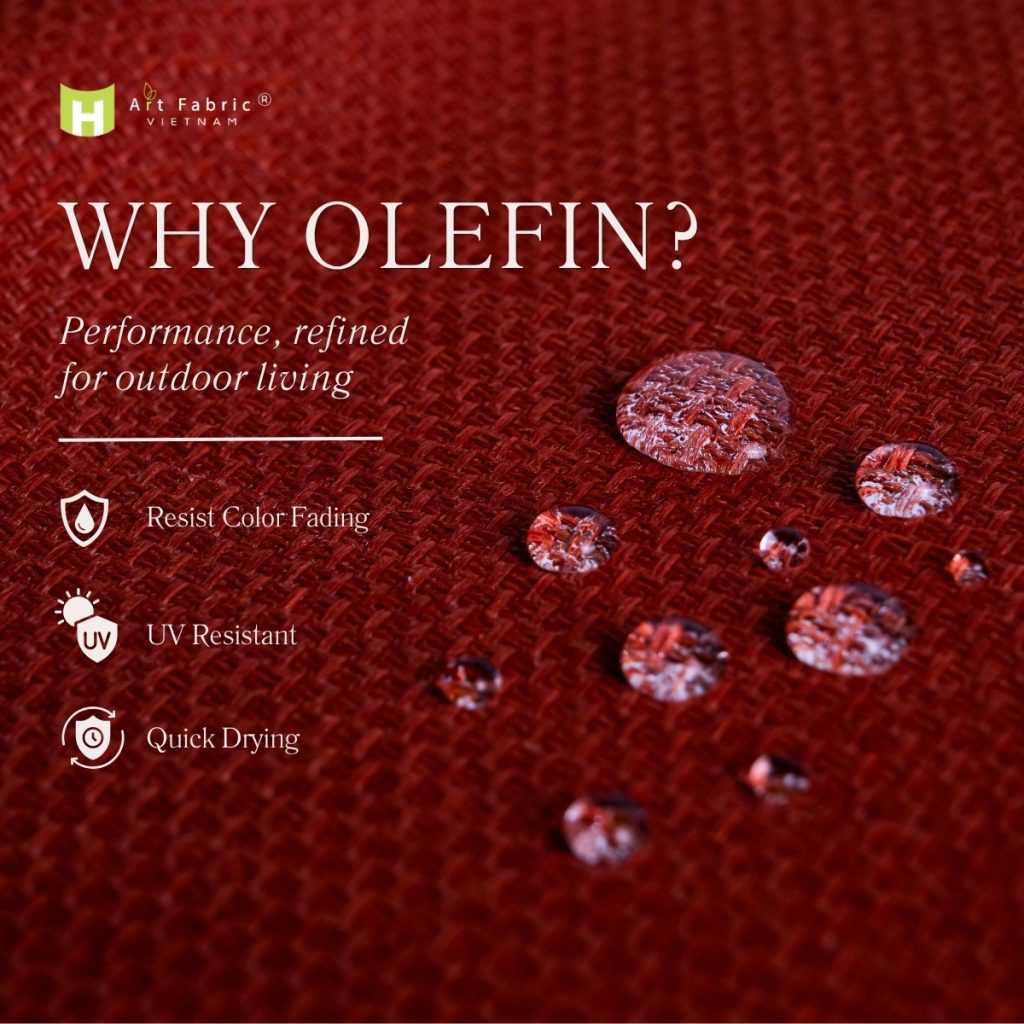
- Strong UV resistance and reliable colour retention under prolonged sun exposure.
- Abrasion resistance suited to high-traffic hospitality, commercial, and lounge environments.
- Easier maintenance, with surface properties designed to support stain resistance and faster drying where required.
- Performance appropriate for humid environments and applications where mildew resistance is important.
- Surface stability and durability over the intended life of the product.
- A refined hand feel, visual depth, and colour palette that support elevated design concepts.
For B2B buyers, initial cost should never be the only decision factor. A well-specified fabric can reduce replacement frequency, simplify maintenance, and contribute to lower long-term operating costs.
Outdoor Spaces as an Extension of Interior Living
One of the most significant shifts in contemporary design is the growing connection between indoor comfort and outdoor living. Balconies, terraces, poolside areas, and premium lounge spaces are no longer treated as secondary zones. They are becoming meaningful extensions of homes, resorts, hotels, and hospitality environments — spaces that shape how people relax, gather, and experience a brand.
As expectations rise, durability can no longer come at the expense of aesthetics. Designers and project teams are looking for outdoor textiles that offer:
- Rich woven surfaces with visible depth and character.
- A soft, inviting hand feel inspired by premium interior fabrics.
- Nature-led color palettes, including warm earth tones, coastal blues, and calm neutrals.
- Distinctive patterns and textures, from botanical motifs and refined stripes to bouclé-inspired surfaces with a quiet-luxury character.
- A cohesive design language that flows naturally from interior spaces into the outdoors.
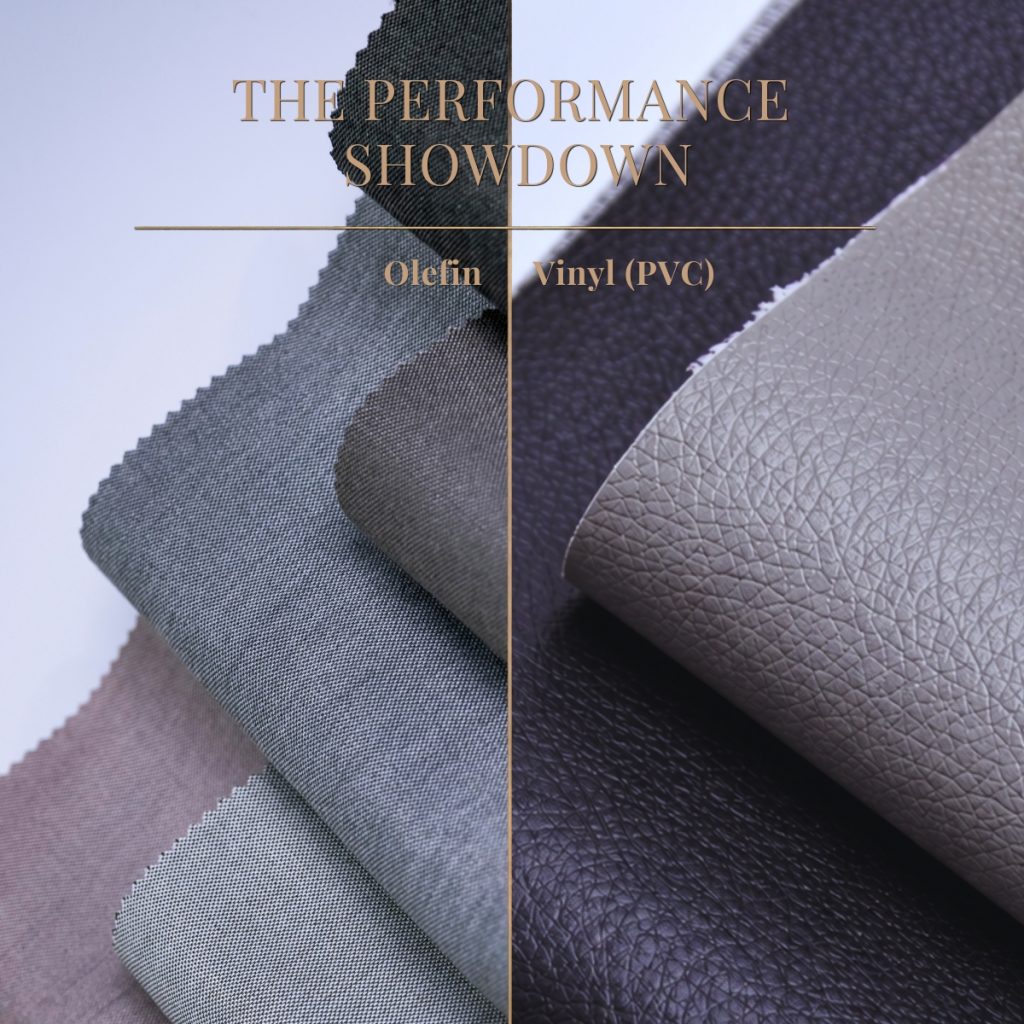
This is where materials such as Olefin, Polyester, Recycled Polyester, and carefully engineered blends create real value. The right textile construction can balance outdoor performance with the texture, comfort, and visual sophistication that today’s outdoor furniture and hospitality projects demand.
Outdoor Textile Innovation
Innovation is often discussed in broad terms, but on the factory floor, outdoor textile innovation is advancing through several practical developments that directly affect material performance, design flexibility, and project requirements.
- Solution-dyed fibers: Colour pigments are integrated into the fiber during the solution-dyeing process rather than applied only to the surface after weaving. This approach is widely valued for outdoor applications where long-term colour performance matters. Learn more about why solution-dyed fabric is shaping the future of outdoor textiles.
- Textured constructions: Bouclé, jacquard, and mélange weaves bring greater depth, softness, and visual character to performance fabrics—helping outdoor collections feel more refined and design-led.
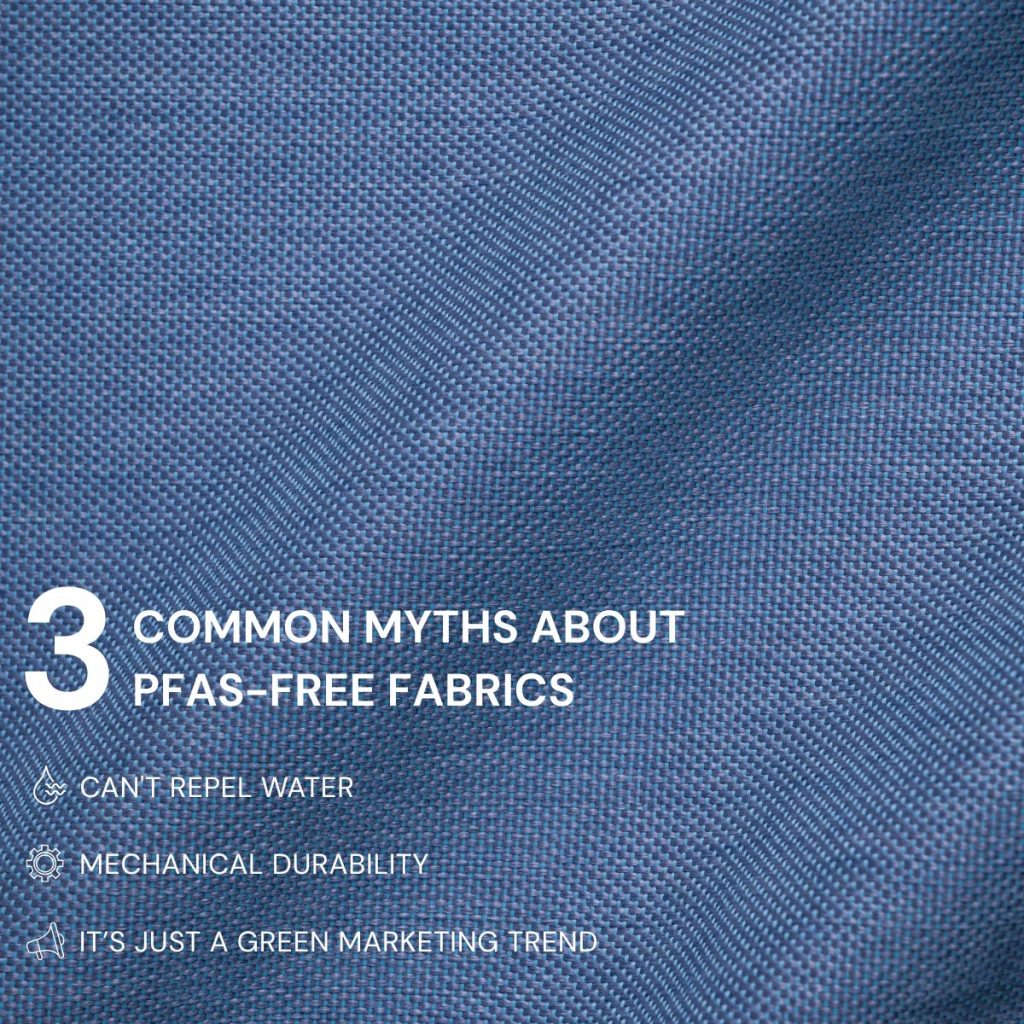
- Evolving chemical expectations: Demand for greater chemical transparency is increasing across the textile industry. PFAS-free options are becoming more relevant for projects that prioritise material safety and responsible sourcing; however, specifications should always be confirmed for the individual fabric collection.
- Functional coatings: Advances in TPU coating technology are creating new possibilities for fabrics that require enhanced water resistance while maintaining flexibility and a softer hand feel.
According to SGS, innovation in materials, processes, and design will remain a central competitive driver for the textile industry. For project teams, this means technical requirements will continue to evolve alongside expectations for comfort, aesthetics, and sustainability.
The Rise of Indoor-Outdoor Living
The boundary between the living room and the terrace is becoming increasingly fluid. Consumers want outdoor seating to feel as comfortable and inviting as an indoor sofa. At the same time, performance fabrics are finding their way indoors, especially in homes where easy care, durability, and comfort for families and pets are important.
Biophilic design—bringing natural materials, textures, and colours into everyday spaces—has accelerated this shift. The direction is clear: fabrics are increasingly expected to deliver the softness and visual warmth of interior textiles with the practical resilience needed for outdoor environments.
What does this mean for buyers?
Rather than treating indoor and outdoor textiles as entirely separate categories, buyers can consider materials that support both applications where specifications allow. This creates greater flexibility in collection planning, helps maintain a cohesive design language across spaces, and simplifies material selection for furniture ranges that move between indoor and outdoor settings.
Outdoor Material Solutions
Every outdoor space operates under distinct environmental conditions and unique design objectives. A coastal luxury resort, an exclusive poolside lounge, a bespoke garden sofa set, or a large-scale hospitality development—each demands a highly specialized material approach.
At Art Fabric Vietnam, our material specification process does not start with a generic swatch book; it originates directly from the core realities of your project. We meticulously analyze your specific usage environment, overarching design concept, color palette, technical standards, order volume, and long-term operational strategies.
Offering an elite spectrum of materials—including high-performance Olefin, versatile Polyester, eco-conscious Recycled Polyester (rPET), and sophisticated blended structures—our mission is to guide you to the perfect textile collection. Whether specifying for outdoor furniture, cushions, loungers, umbrellas, or comprehensive hospitality applications, we deliver tailored excellence.
- Address: 2nd Floor, 25 Bau Cat 2 Street, Ward 14, Tan Binh District, Ho Chi Minh City, Vietnam
- Hotline: (+84) 375 539 566
- Email: sales@artfabric.vn