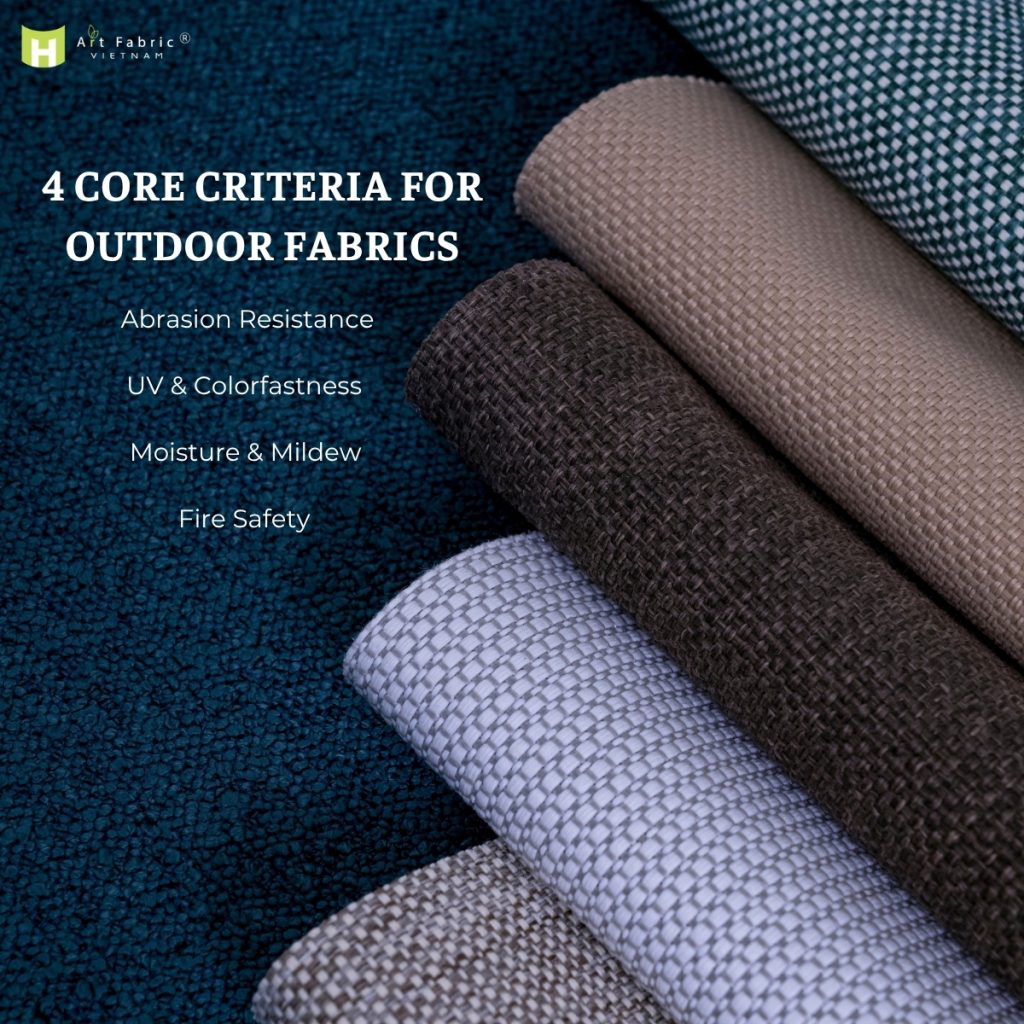
In recent years, the global textile industry has witnessed a powerful shift. Consumers are no longer just concerned about the durability or aesthetics of a product; they are asking big questions about health, safety, and environmental impact. Rising amidst these concerns is the keyword PFAS—a group of chemicals currently being phased out worldwide.
At Art Fabric Viet Nam, we are not standing on the sidelines. Our transition to a Chemical-Free production process is not just a commitment to quality but a responsibility to our community. So, what exactly is PFAS, and why is eliminating it so crucial for outdoor fabrics? Let’s dive into the details below.
Defining PFAS: The Environmental and Health Risks You Cannot Ignore
What is PFAS? The Silent Threat in the Textile Industry
PFAS (Per- and polyfluoroalkyl substances) represents a complex family of thousands of synthetic chemicals. Pioneered in the 1940s, they revolutionized global manufacturing through their extraordinary resistance to heat, water, and lipids.
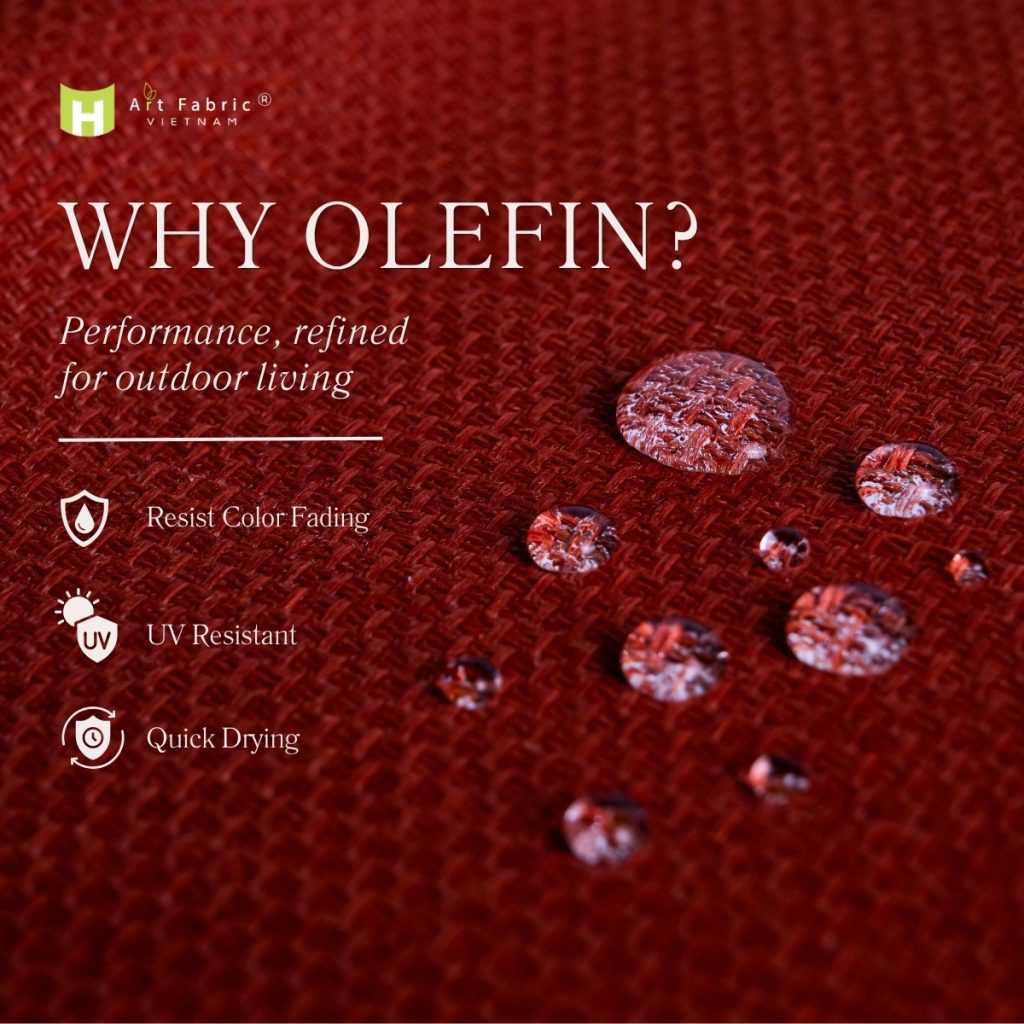
In the conventional outdoor textile industry, PFAS has long served as the default chemical finish to achieve high-performance water and stain repellency. When you observe the mesmerizing “beading effect” as rainwater effortlessly rolls off a standard patio cushion, it is predominantly driven by this hidden PFAS chemistry.
Why is PFAS called “Forever Chemicals”?
This daunting nickname comes from the powerful Carbon-Fluorine bond in their molecular structure. This bond is so tough that PFAS generally does not break down in the natural environment. They persist in soil, water, and air for hundreds, or even thousands of years, accumulating over time and entering the food chain.
The Hidden Dangers of PFAS
While conventional PFAS treatments deliver undeniable waterproofing convenience, the overarching cost to human well-being and ecological integrity is unacceptably high. An expanding consensus of rigorous global scientific research has illuminated the severe liabilities associated with this chemical class.
Health Risks
Exposure to PFAS (through skin contact with furniture, inhaling fabric dust, or contaminated water) has been linked to a series of serious health issues:
- Weakened immune systems, especially in children.
- Thyroid and hormonal disruption.
- Increased risk of certain cancers (kidney, testicular).
- Negative effects on fetal development.
For outdoor fabric products like pool cushions, balcony curtains, or parasols—items your family interacts with daily—the presence of PFAS is an unnecessary risk.
Environmental Impact
The production and disposal of PFAS-containing fabrics allow these chemicals to seep into groundwater. Because they do not degrade, they travel globally and have even been found in remote locations like the Arctic.
Chemical-Free: The New Standard at Art Fabric Viet Nam
Acknowledging these profound global risks, Art Fabric Vietnam has consciously rejected industry shortcuts. Instead, we have pioneered a more rigorous, uncompromising, and highly sustainable trajectory: the absolute “Chemical-Free” standard.
Defining the “Chemical-Free” Commitment
In our architectural context, “Chemical-Free” is not a marketing platitude; it is a strict manufacturing doctrine. It represents the unequivocal eradication of all hazardous substances—specifically the entire PFAS family (including PFOA and PFOS), toxic heavy metals, and dermal-irritating dyes—from our entire production ecosystem.
Our objective is singular: to engineer exceptionally clean, biologically safe textiles that deliver elite, commercial-grade outdoor performance. We fundamentally believe that a true sanctuary of relaxation must never harbor hidden health liabilities.
A Shift in Production Technology
Instead of relying on toxic chemical coatings to protect the fabric, we focus on fiber structure and advanced weaving technology.
- Bio-based Water Repellency: Replacing PFAS with plant-based or safe silicone compounds that ensure the “lotus effect” (water beading) without causing harm.
- Solution-Dyed Technology: Color pigments are mixed into the liquid polymer before the fiber is extruded, ensuring permanent colorfastness without the need for toxic surface fixatives.
Superior Performance Without Compromise
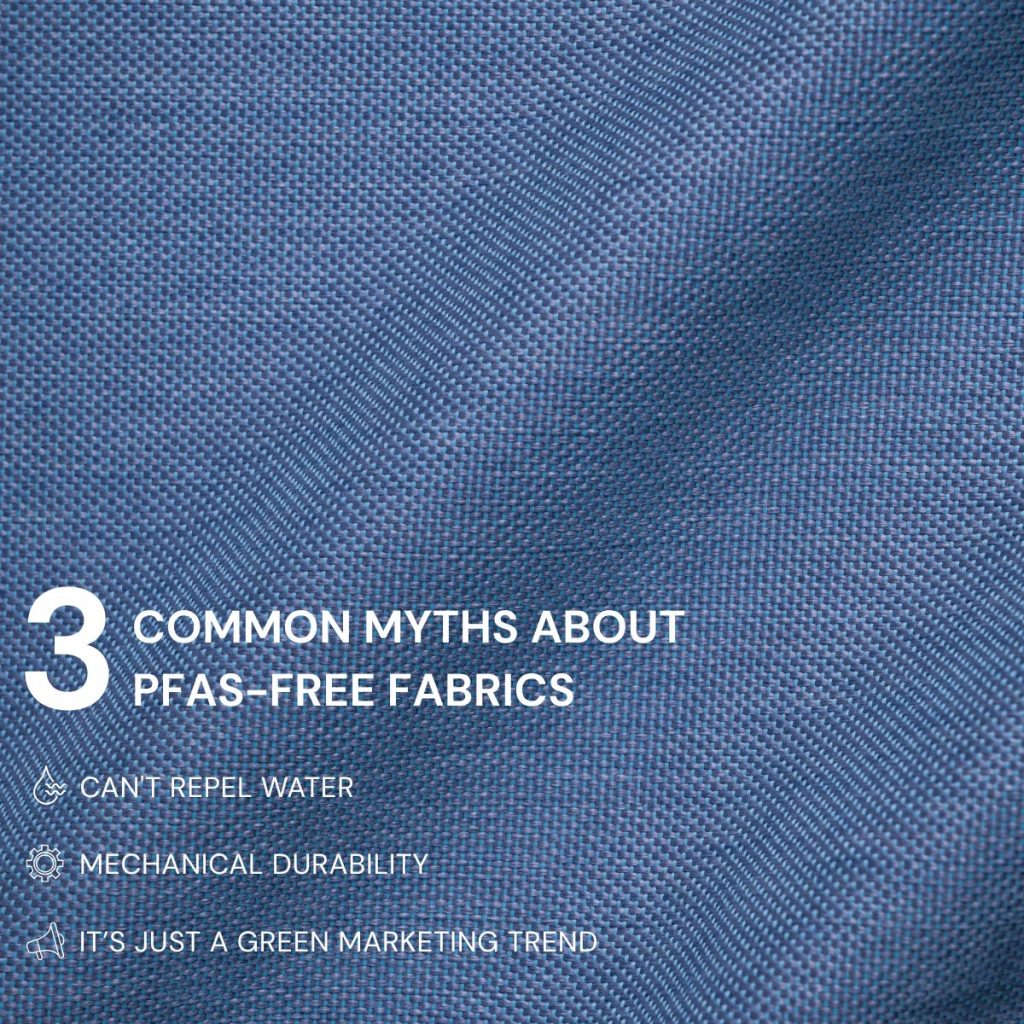
A major question often asked is: “If we remove PFAS, will the fabric still be durable?” The answer is YES, and perhaps even more durable in a safer way.
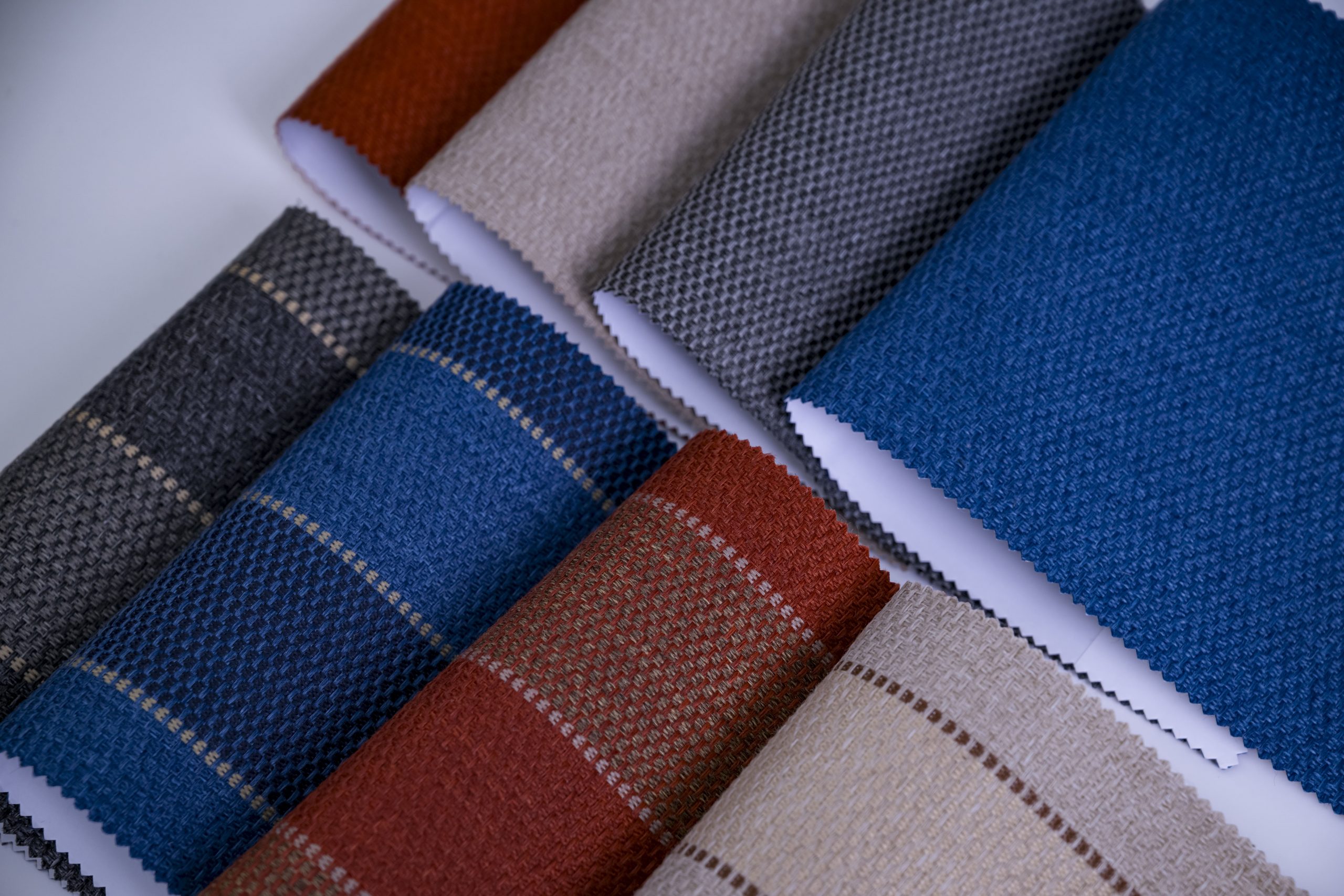
By removing reliance on chemical coatings (which eventually peel or wear off), Art Fabric Viet Nam focuses on the inherent quality of the fiber. Our premium fabric lines, such as Olefin or Polyester, possess water resistance, mold resistance, and UV resistance built right into the molecular structure of the fiber itself.
To understand how advanced fiber technology helps our fabrics achieve superior durability without toxic chemicals, you can read more about our [Olefin fabric line and international waterproofing certifications here].
The Benefits of Using PFAS-Free Outdoor Fabrics
Transitioning to the “Chemical-Free” portfolio at Art Fabric Vietnam delivers multifaceted, strategic benefits to high-end designers, project managers, and discerning homeowners:
Peace of Mind
You can let your children play freely on the outdoor sofa or relax on a poolside lounger without worrying about exposure to chemical residues. Your living space becomes truly clean and safe.
Long-Lasting Durability
PFAS-coated fabrics often only maintain good water resistance initially. Once this chemical layer wears down due to friction or washing, the fabric quickly absorbs water and degrades. Conversely, Art Fabric Vietnam’s Chemical-Free fabrics, with modern fiber processing technology, maintain stable technical properties throughout the product’s lifecycle, helping you save on replacement costs.
Meeting Strict Export Standards
Currently, major markets like the EU and the US (especially California) are enacting strict bans on PFAS in textiles. Using Art Fabric Viet Nam products helps furniture manufacturers and hospitality projects easily meet these international standards, opening up global business opportunities.
How to Identify PFAS-Free Fabrics?
As a smart consumer, you can identify safe fabrics through the following signs:
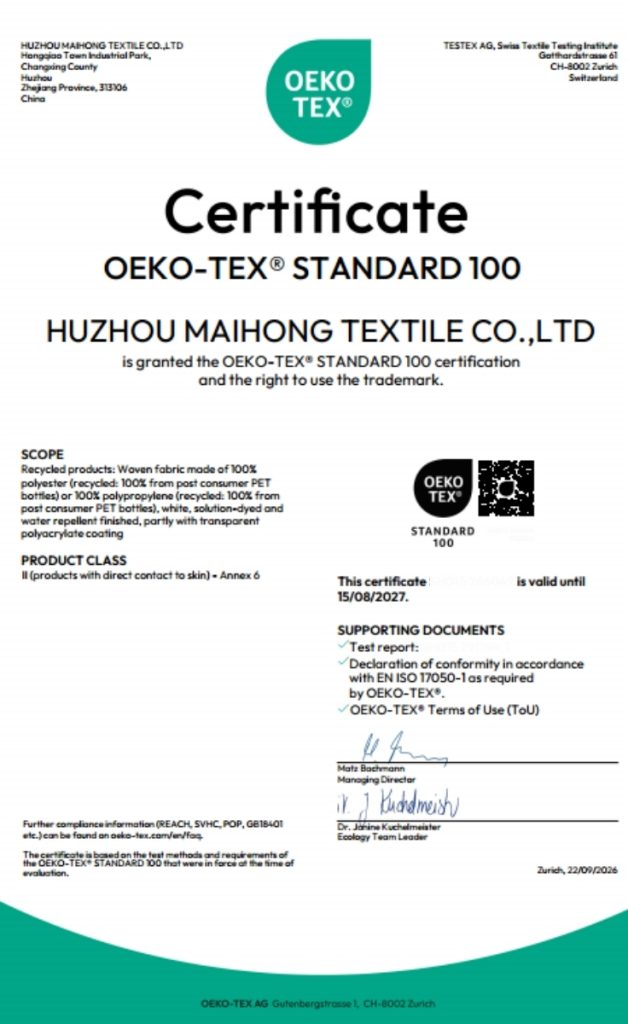
- Check Certifications: Look for reputable certifications like OEKO-TEX Standard 100 or Greenguard Gold. These guarantee that the fabric has been rigorously tested for chemical residues.
- Ask the Supplier: Do not hesitate to ask suppliers for a “PFAS-Free” or “PFC-Free” commitment. At Art Fabric Viet Nam, transparency is a top priority.
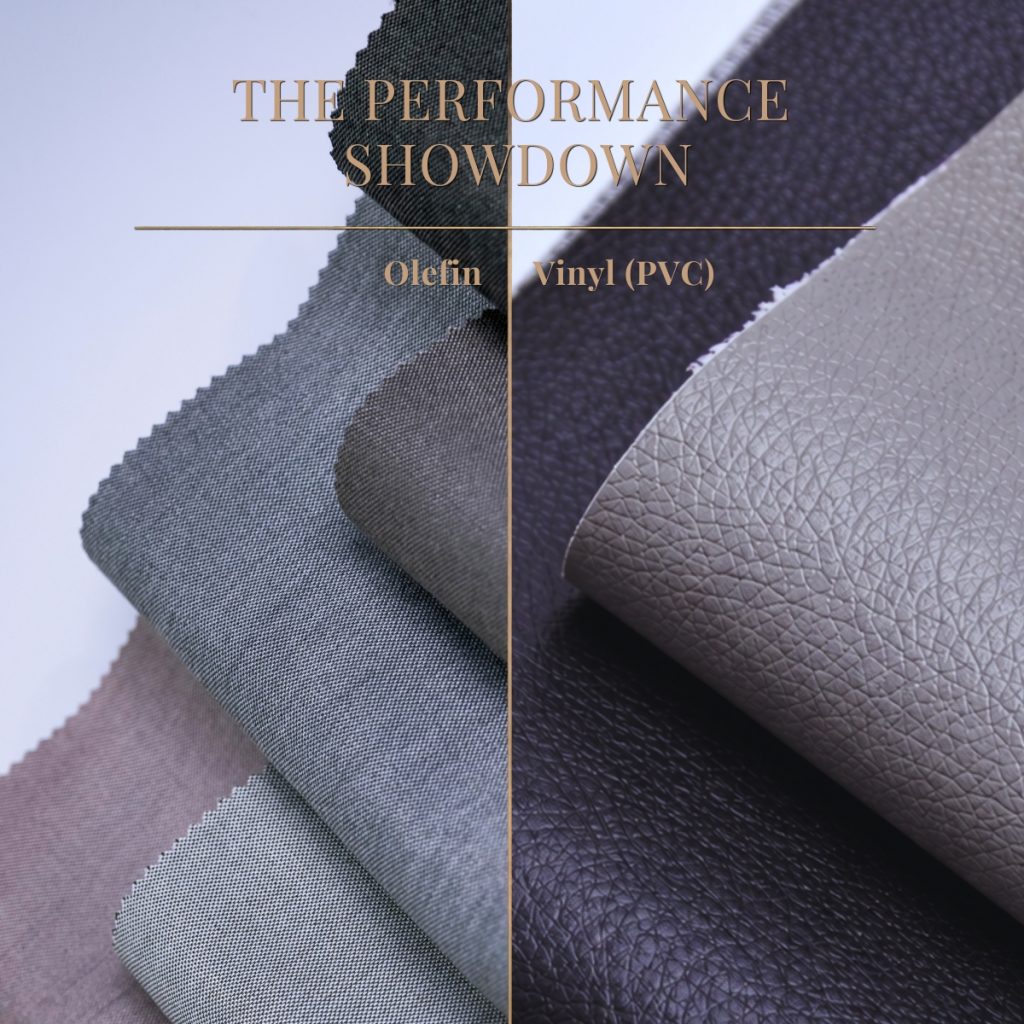
- Feel the Texture: New technology fabrics are often softer and more breathable compared to traditional fabrics coated with thick, chemical-heavy plastic glues.
The story of PFAS is not just a technical issue; it is a matter of conscience and responsibility. At Art Fabric Viet Nam, we believe that the beauty of outdoor furniture must go hand in hand with safety and sustainability.
Our decision to pursue a Chemical-Free direction is proof of our commitment to delivering the best products for our customers and the planet. Let Art Fabric Viet Nam accompany you in creating green, clean, and classy living spaces.
If you are looking for safe, high-performance outdoor fabric solutions, contact us today for consultation and to experience our fabric samples firsthand.