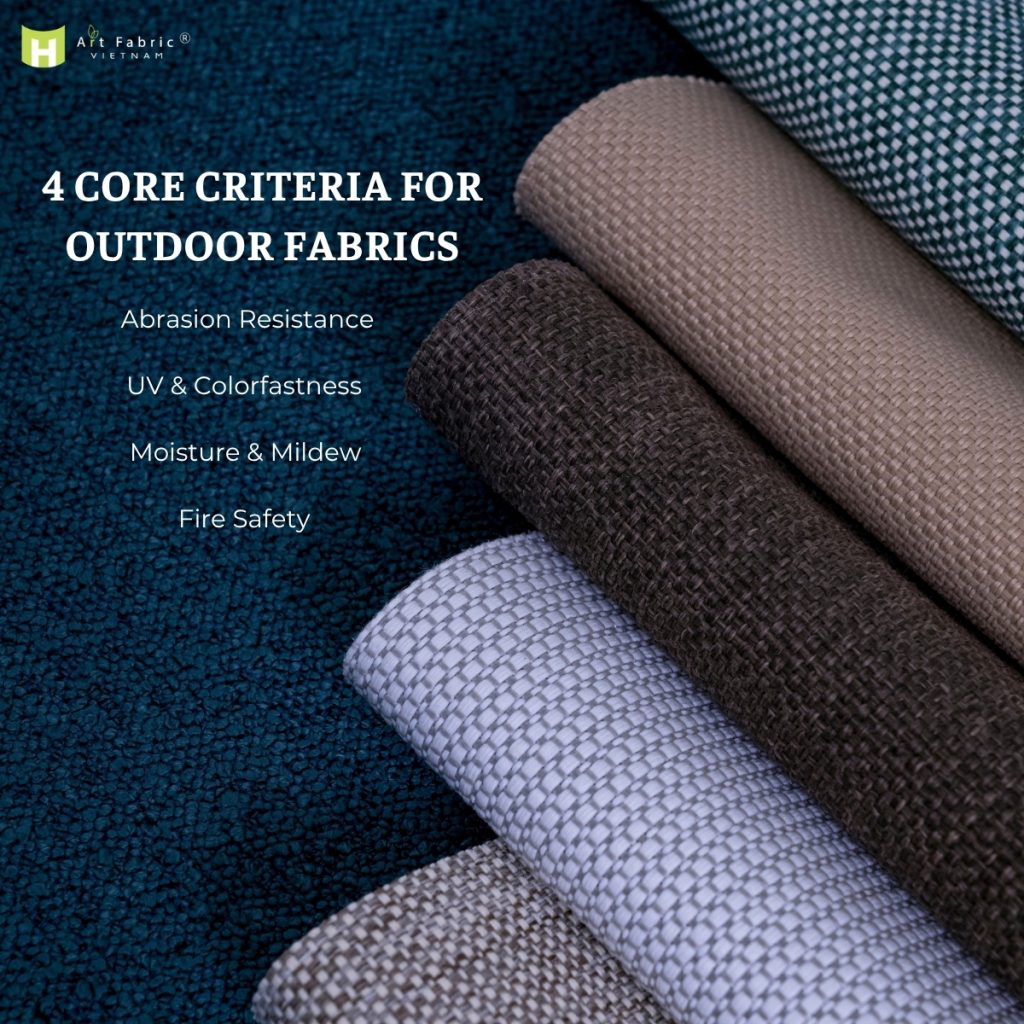
A wrong fabric specification today can turn into a significant maintenance and replacement cost in the years ahead. So, when it comes to Olefin vs Polyester, which fiber is truly the right choice for outdoor sofas, cushions, poolside furniture, restaurants, or large-scale hotel and resort projects?
The reality is that no single fiber is the perfect solution for every environment. Olefin and Polyester each offer distinct performance advantages, and the key to a successful FF&E specification lies in matching the right material to the right application and operating environment.
Join Art Fabric Viet Nam as we take a closer look at the fundamental differences between Olefin and Polyester and explore how to select the most suitable solution for each project scenario.
Understanding the Key Differences Between Olefin Vs Polyester
Olefin and Polyester are both manufactured fibers widely used in the textile and interior industries. According to the U.S. Federal Trade Commission (FTC), Olefin and Polyester are recognized generic names for manufactured fibers under textile labeling regulations.
What Is Olefin Fiber?
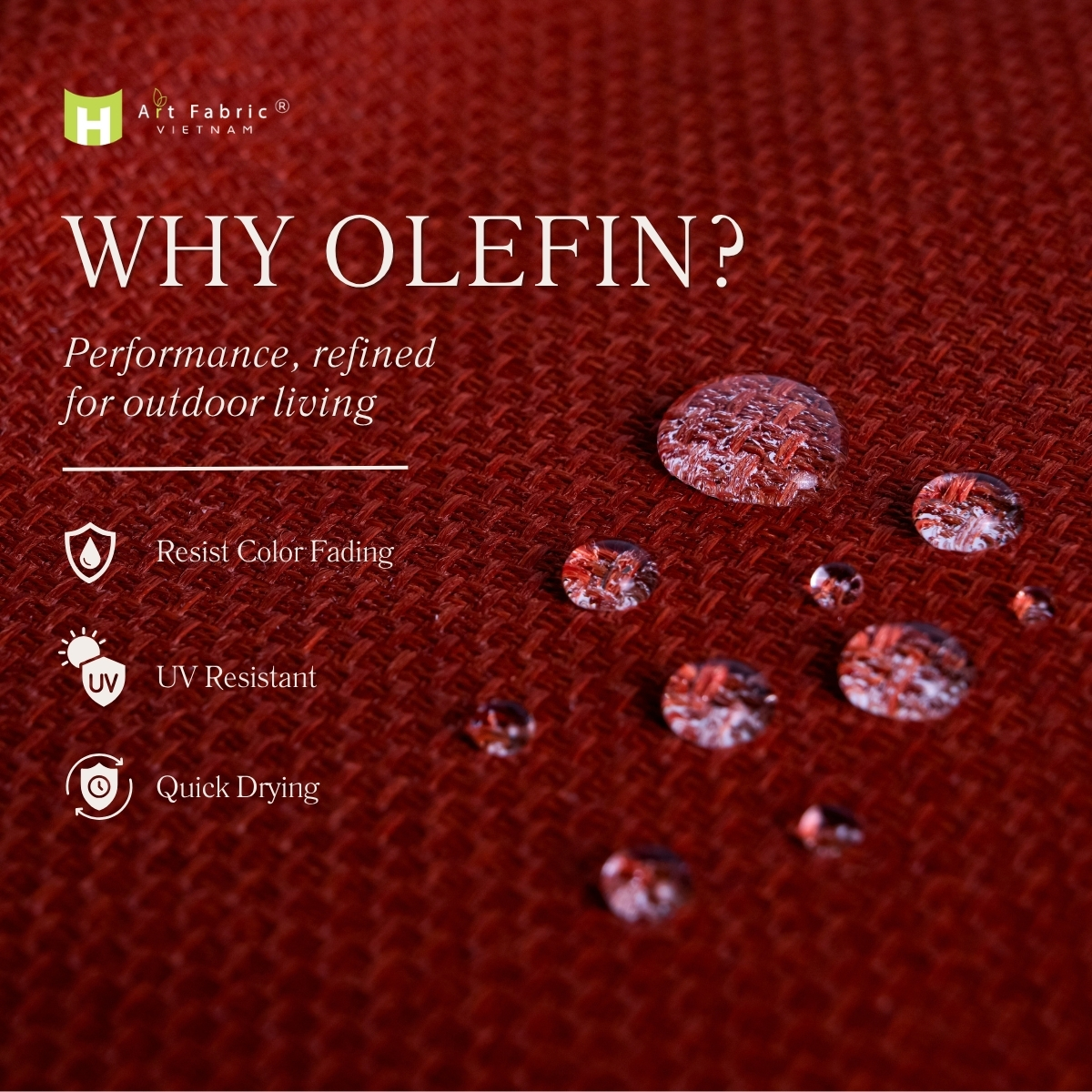
Olefin, also known as Polypropylene (PP), is a synthetic fiber used across a wide range of textile and performance textile applications.
In outdoor fabrics, Olefin is often considered for applications where light exposure, color retention, and outdoor performance are important considerations.
One particularly important factor to understand is the dyeing method used to color the fiber.
What Is Polyester Fiber?
Polyester (PET) is one of the most widely used synthetic fibers in the textile and upholstery industries.
One of its key advantages is its versatility across different fabric constructions, finishing techniques, and design requirements.
In high-use applications, abrasion resistance can become a particularly important performance consideration. This is why Polyester is often considered for applications such as restaurant and F&B seating, where upholstery is exposed to repeated friction and daily use.
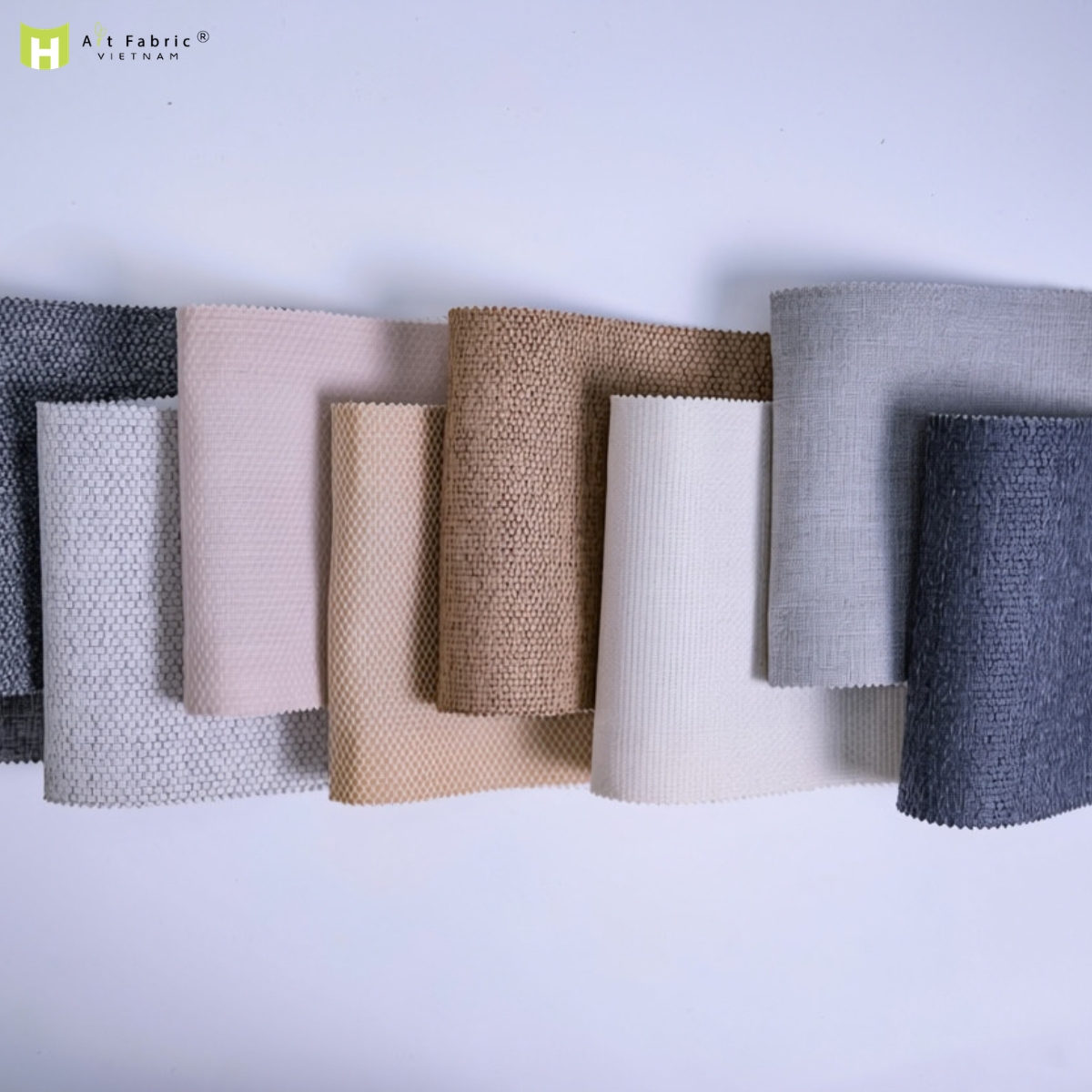
Polyester also offers considerable flexibility in design and can be produced using recycled raw materials.
According to Textile Exchange, recycled polyester can be produced from recycled Polyester through both mechanical and chemical recycling processes.
3 Common Mistakes When Choosing Olefin vs Polyester
One of the most concerning mistakes in material specification is evaluating fabrics based primarily on price per square meter. For large-scale resort projects, a seemingly cheaper material can ultimately translate into substantial replacement and maintenance costs over the years.
Before making a specification decision, three common assumptions about Olefin vs Polyester deserve a closer look.
If It’s Outdoor Fabric, It Won’t Fade
Calling a fabric “Outdoor Fabric” does not mean it is permanently protected against UV exposure.
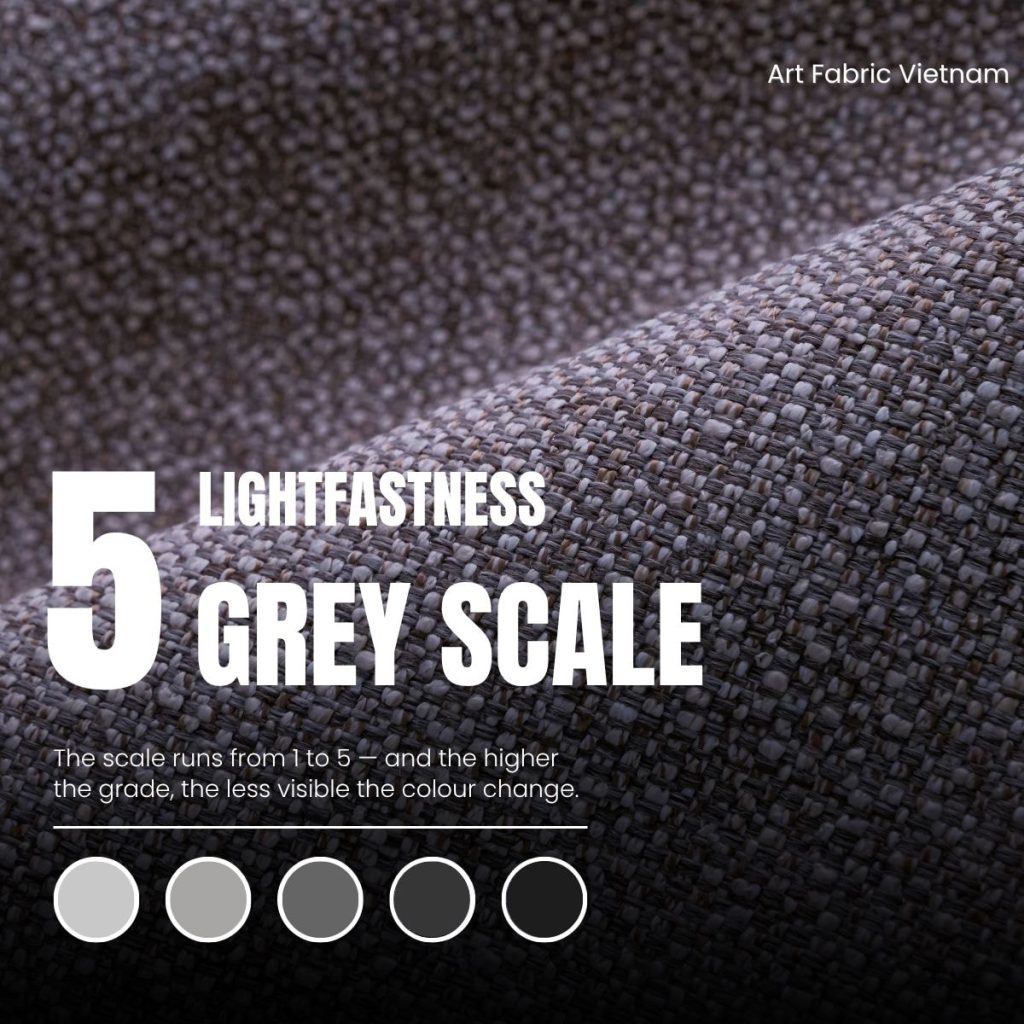
Sunlight is one of the key environmental factors that can affect textile appearance and color performance over time, and outdoor fabrics do not all offer the same level of colorfastness.
The American Association of Textile Chemists and Colorists (AATCC) has established standardized methods for evaluating colorfastness to light, including AATCC TM16.1 and TM16.3. These methods use xenon-arc light sources to simulate controlled exposure conditions and evaluate how textiles perform under light exposure.
Ask your fabric supplier three essential questions:
- What dyeing technology is used?
- Which lightfastness test method was applied?
- What are the actual test results for the specific fabric code?
These details provide a much clearer basis for evaluating whether a fabric is truly suitable for the intended application.
Polyester Is Always Less Durable And Cheaper Than Olefin
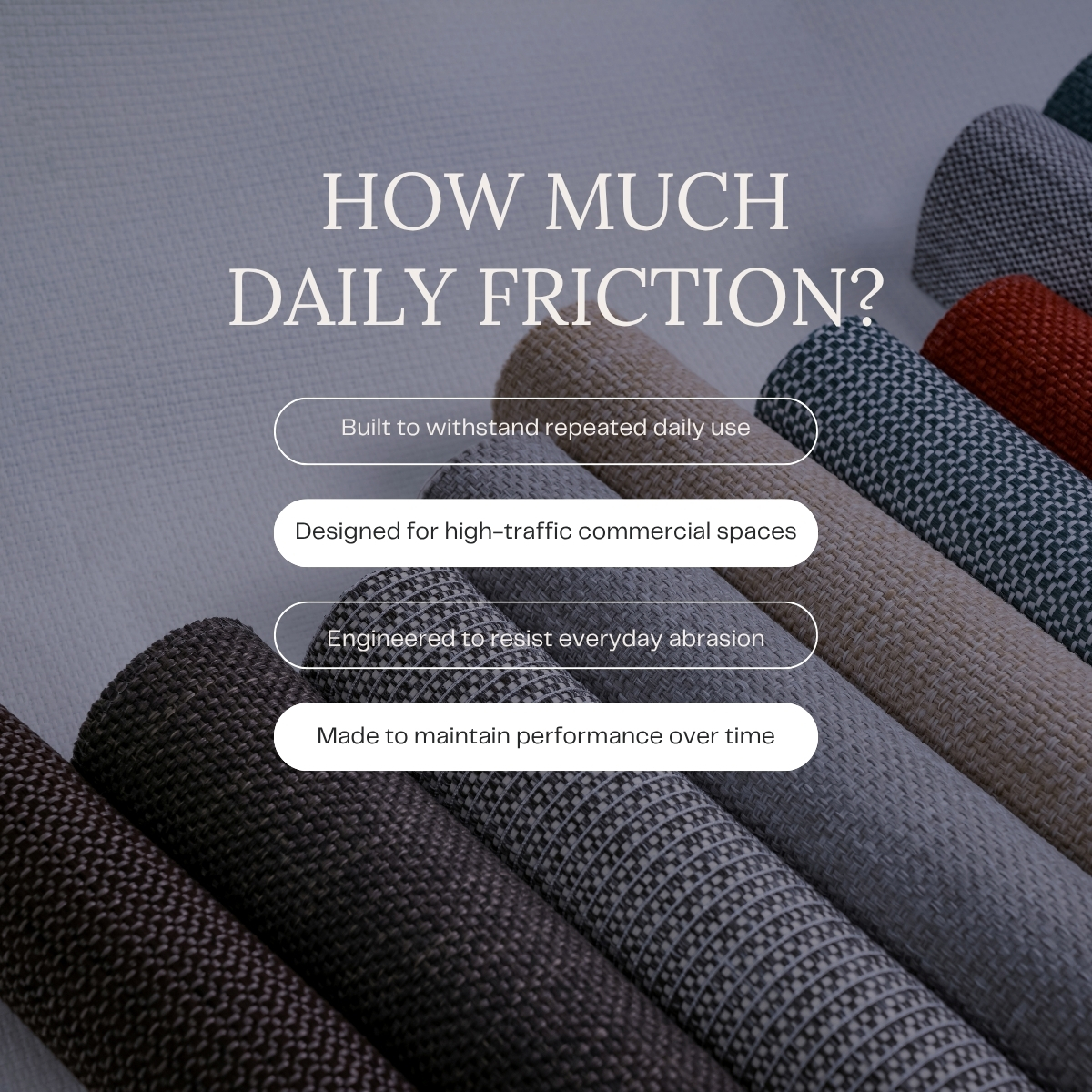
This is a superficial perspective that completely overlooks actual functional performance. The mechanical durability of a material is not dictated solely by its fiber name. In high-traffic commercial spaces, abrasion resistance often plays a more critical role than sun protection.
According to ASTM D4966, fabric abrasion resistance is measured precisely using the Martindale tester. Imagine a bustling F&B venue: chairs are continuously pulled out and pushed in, subjected to repetitive friction against diners’ apparel.
In this high-intensity friction context, the right question is not “Is Olefin or Polyester better?”, but rather “Which fabric has the most suitable abrasion rating for the actual usage frequency?”. Polyester, with its inherent toughness, fully deserves to be the top choice for applications demanding rigorous mechanical durability.
A project should only use a single type of fabric
Specifying a single fabric across an entire resort may seem convenient, but it can be one of the fastest ways to inflate the FF&E budget or shorten the service life of certain furnishings.
A resort project can contain multiple micro-environments, each with very different operating conditions:
- Poolside: Directly exposed to intense sunlight, salt fog, high humidity, and chlorinated water.
- Rooftop: Subjected to direct thermal radiation and strong winds.
- Restaurant: Extremely high friction frequency and continuous usage traffic.
- Shaded Lounge: Less weather-exposed but demanding high flexibility in design and aesthetics.
Which to Choose Olefin vs Polyester?
Choosing the right material configuration for a real-world project requires a careful evaluation of each fiber against the project’s specific functional requirements. For architects and purchasing managers, the key is to understand where each fiber delivers the greatest value before finalizing the specification and procurement decision.
The goal is not simply to identify which fiber is “better,” but to determine which material is better suited to each application and operating environment.
Prioritize Olefin When:
Olefin is particularly well suited to demanding outdoor environments. Based on technical references, it is a strong option when the priority is to maximize outdoor performance and long-term appearance.
- Outdoor Applications: For furniture and upholstery exposed directly to outdoor weather conditions.
- High Light Exposure: For areas subjected to intense, prolonged sunlight, particularly where there is little or no overhead protection.
- Color Retention: When maintaining color and visual consistency is a critical requirement and premature fading could compromise the aesthetics of the project.
- Solution-Dyed Construction: When the project calls for color to be incorporated into the fiber during production as part of the performance specification.
- Outdoor Performance: When the application requires strong water repellency, fast drying, and improved resistance to moisture-related challenges.
In short, when your project must withstand demanding outdoor exposure while maintaining its visual appeal, Olefin is a material worth considering carefully.
Prioritize Polyester When:
Polyester stands out in applications where mechanical durability, versatility, and design flexibility are key priorities. The reference material particularly highlights several strengths of PET fiber:
- Upholstery Flexibility: Its versatile fiber characteristics can support upholstery applications involving curved forms, complex furniture profiles, and intricate detailing.
- High Abrasion Resistance: Well suited to busy commercial environments where upholstery is subjected to frequent and repeated friction.
- Design Versatility: A suitable option when projects require a broad range of colors, patterns, prints, and visual effects that support more diverse design concepts.
- Recycled Material Options: Recycled Polyester (rPET) can be considered for projects pursuing recycled-material objectives and relevant green building or sustainability requirements.
- Broad Applications: Suitable for a wide range of uses, from commercial upholstery to smaller decorative accents, offering flexibility across different project requirements and budget considerations.
Ultimately, the right choice comes down to the application, operating environment, performance requirements, and project objectives.
Which Is the Right Choice Olefin or Polyester?
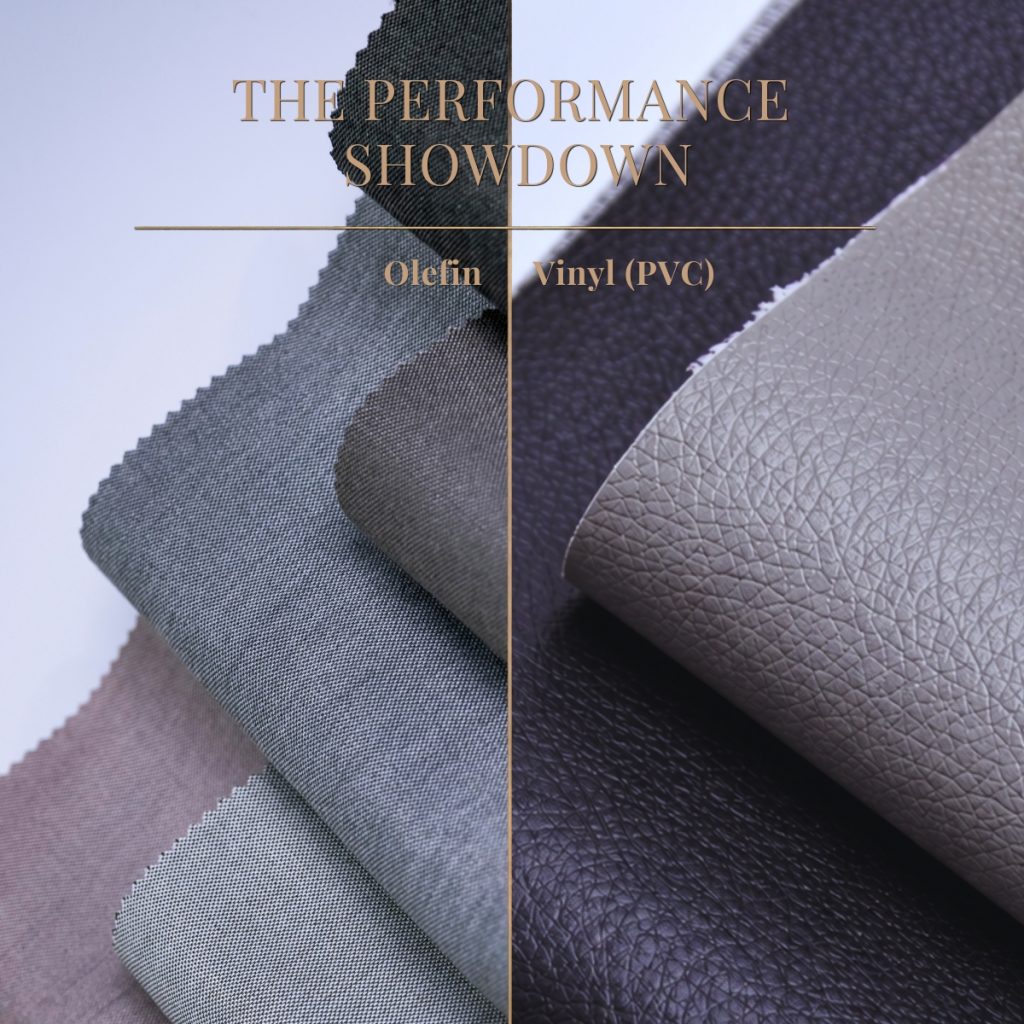
Olefin vs. Polyester is not a competition to find a single “best” fiber. The true value lies in identifying which material is best suited for the operating environment, functional requirements, and goals of each specific application.
If a project must contend with high exposure levels and places special emphasis on color retention, lightfastness, and exterior performance, Olefin is a compelling option to consider.
Meanwhile, for applications prioritizing abrasion resistance, upholstery flexibility, and design versatility, Polyester can deliver significant advantages.
At Art Fabric Viet Nam, selecting an outdoor fabric goes far beyond just the fiber name. We strive to help clients evaluate fiber, construction, performance, and application to uncover the most optimal material specification for every project.