We live in a world built of concrete and illuminated by artificial light, leaving us increasingly starved for a genuine connection with the natural world.10
Enter Biophilic Design.
Far from a fleeting trend, this is a fundamental evolution in modern architecture and interior design. By blurring the harsh boundaries between the built environment and the outdoors, biophilic design transforms sterile rooms into organic, breathing sanctuaries that actively restore our well-being.
From maximizing natural daylight and embracing organic silhouettes, to specifying tactile materials and earthy palettes—discover the four biophilic pillars that are redefining how we live, work, and heal.
The Art of Bringing Nature into Your Living Space
What exactly is biophilic design? It is a design philosophy rooted in “biophilia”—a term popularized by biologist Edward O. Wilson in 1984 to describe humanity’s innate, biological connection to nature. Whether applied to cozy living rooms or biophilic architecture outdoor spaces, this concept operates on three core principles:
| Principle | The Meaning | The Role of Fabric |
| Nature in the Space | The direct presence of real plants, water, natural light, and fresh air within the environment. | Fabric acts as a neutral “backdrop” that elevates and highlights authentic natural elements. |
| Natural Analogues | The use of materials, colors, patterns, and textures that mimic the natural world. | The main stage for textiles: featuring organic textures, earthy palettes, and botanical motifs. |
| Nature of the Space | Crafting spatial configurations that provide a sense of refuge and an open prospect. | Fabric builds a “cozy cave”: thickly upholstered seating, layered drapery, and highly textured cushions. |
And this isn’t just a subjective feeling. A comprehensive review published in Frontiers of Architectural Research finds that biophilic design can reduce stress, improve cognitive function, and support mental recovery. The Global Wellness Institute has also compiled extensive evidence showing increased productivity and satisfaction in nature-infused environments. For those looking to dive deeper into the foundational framework most cited by architects driving today’s biophilic outdoor living and interior trends, look no further than the “14 Patterns of Biophilic Design” by Terrapin Bright Green.
4 Biophilic Design Trends Shaping Modern Living Spaces
Optimizing Natural Light and Airflow
Light is the very soul of bringing nature indoors. Incorporating skylights, expansive floor-to-ceiling glass walls, and louvered doors maximizes the flow of natural sunlight, effortlessly connecting your interior to your biophilic outdoor spaces. This approach not only expands the room visually but also regulates the circadian rhythm, ensuring a continuous circulation of fresh, rejuvenating air.
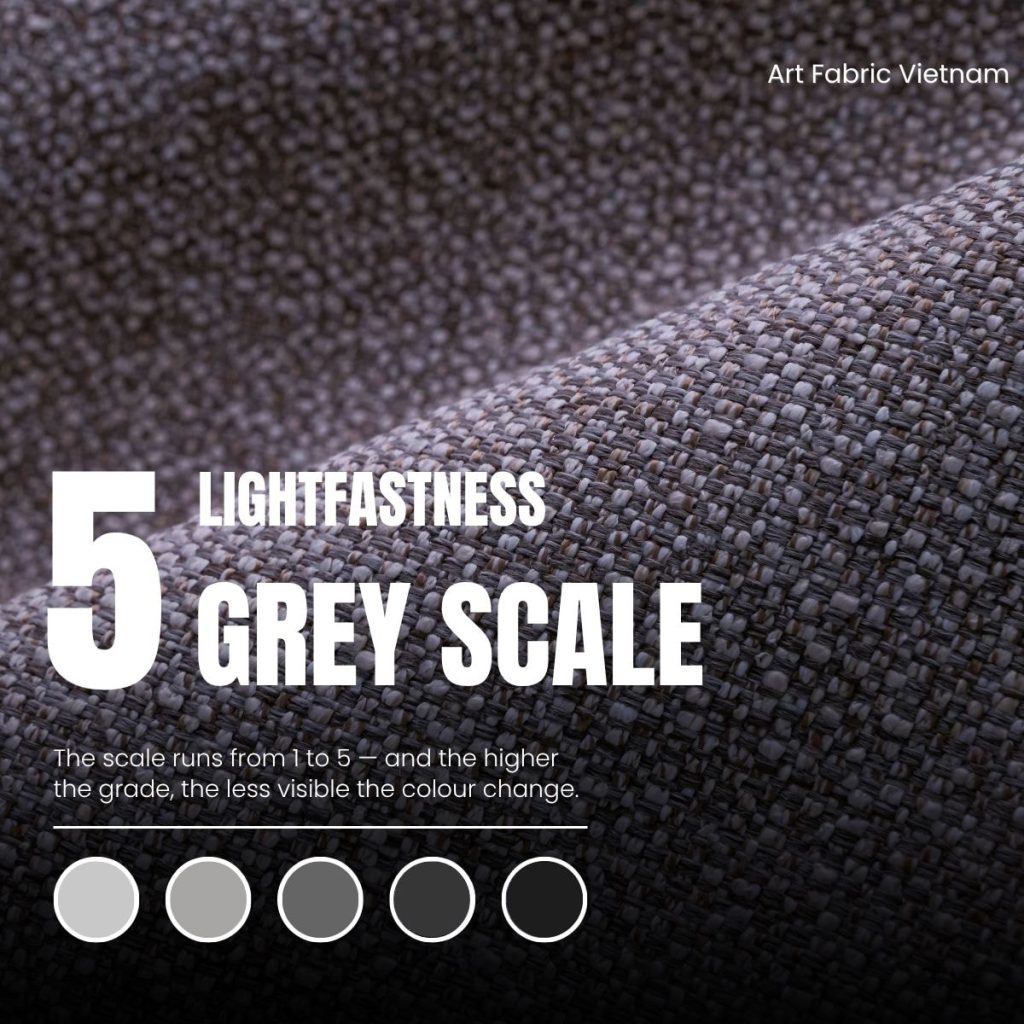
One practical note: abundant daylight is kind to people but harsh on textiles. That’s why designers increasingly specify solution-dyed fabrics — with color locked into the fiber core — so a sun-drenched room never comes at the cost of faded upholstery.
Embracing Organic Shapes
You will rarely find rigid straight lines or sharp corners in nature. Biophilic design prioritizes organic, free-flowing contours that mimic the natural world. Softly curved sofas, asymmetrical coffee tables, and gentle arched doorways evoke a profound sense of relaxation, familiarity, and safety, perfectly complementing organic outdoor living trends.
Introducing Tactile and Natural Materials
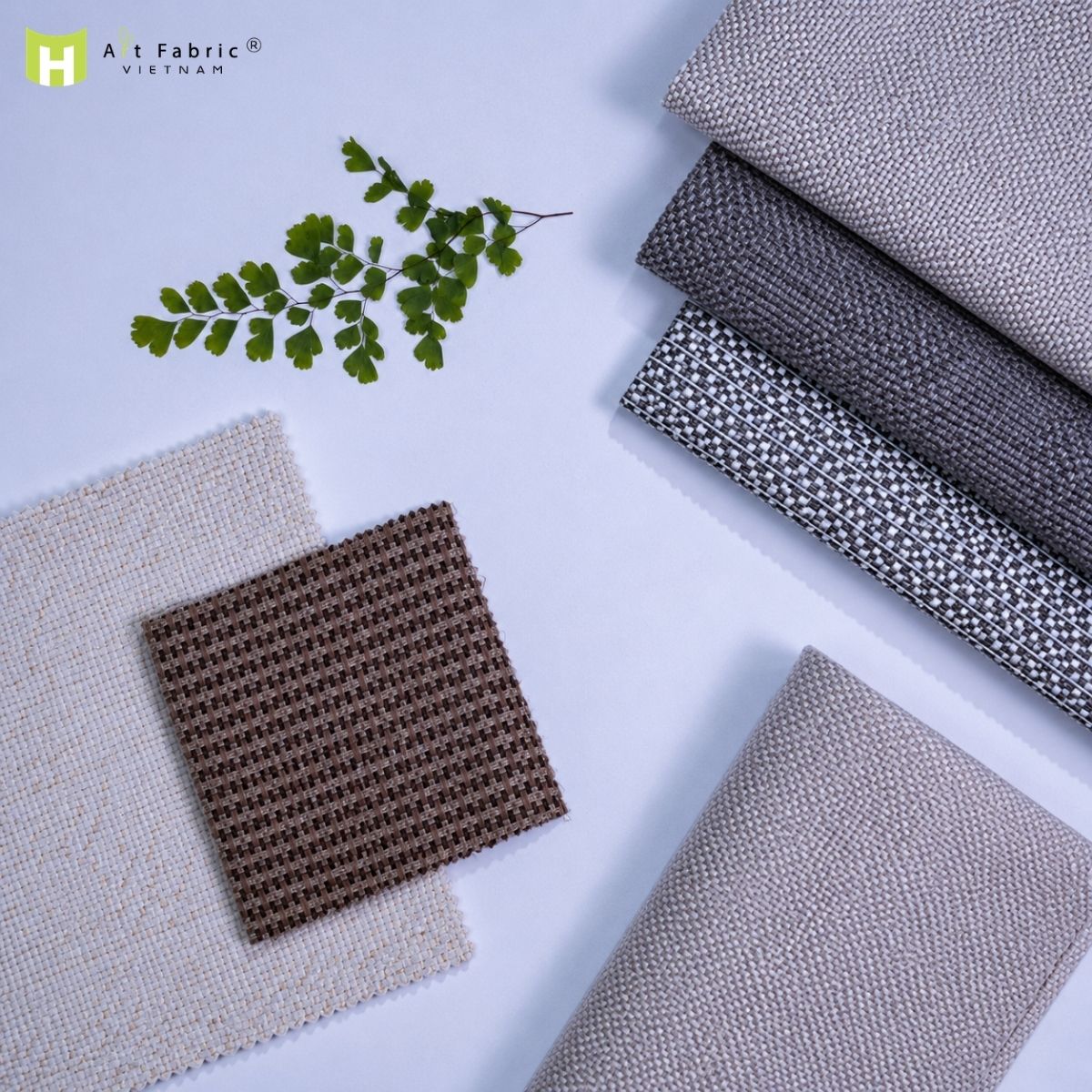
While raw wood, natural stone, and woven rattan are timeless classics, modern design elevates the tactile experience through premium upholstery. Fabrics that replicate natural textures—such as plush Bouclé or intricate 3D weaves—are now top choices. When integrated with high-performance technology, these materials deliver a raw, soothing touch while boasting the unstoppable durability required for both indoor luxury and biophilic outdoor design, effortlessly defying stubborn stains and harsh weather conditions.
Earthy, Grounding Color Palettes
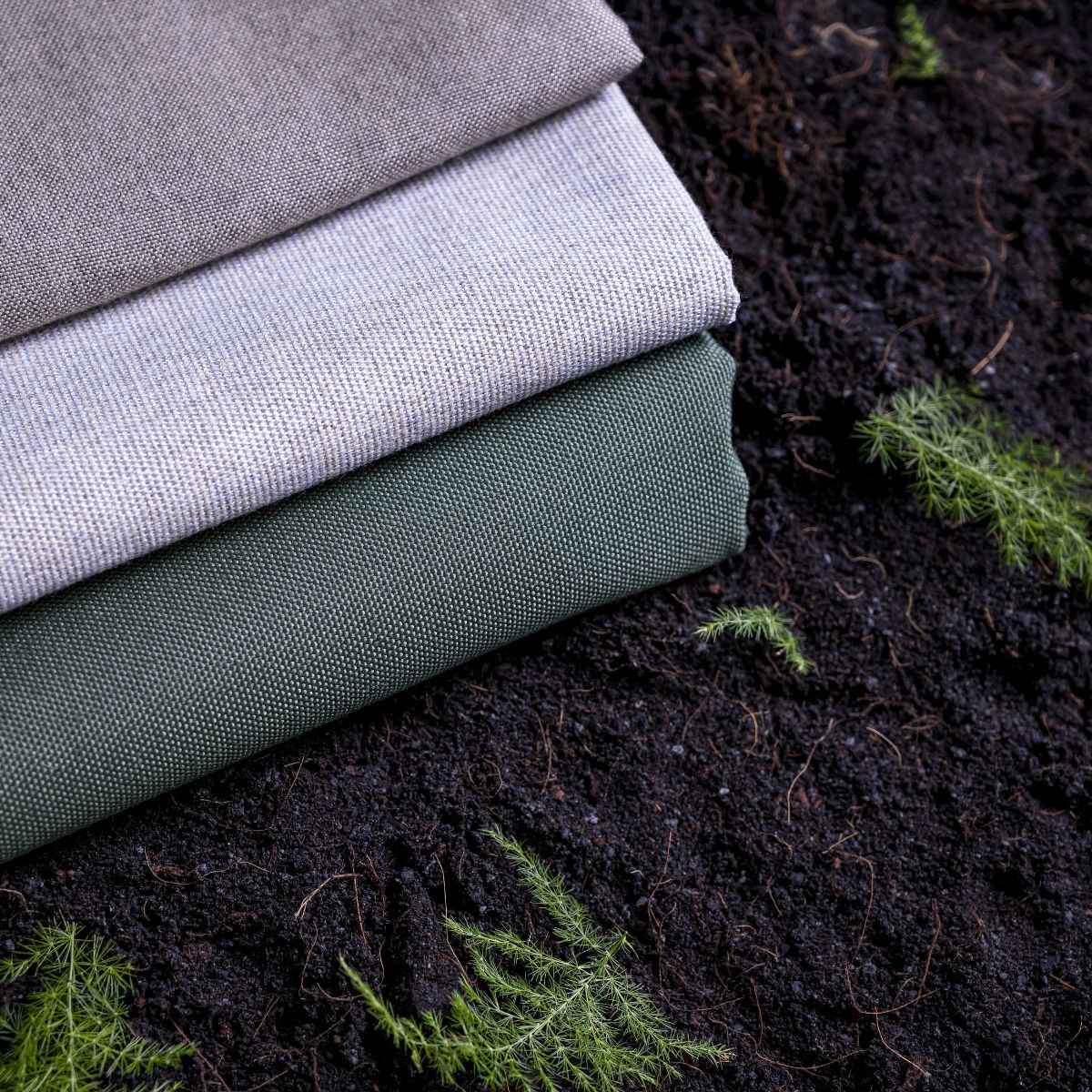
Biophilic colors are a true, authentic reflection of soil and vegetation. The rise of grounding tones like warm Terracotta, soothing Sage Green, calm Sand, and Warm White creates a flawless backdrop. This natural palette soothes the eyes and melts away the stress of a long day, creating a seamless transition into your biophilic outdoor living areas.
The Benefits of Biophilic Design
Supporting Mental & Physical Well-Being
Research suggests that spending time in environments inspired by nature can help reduce stress, support healthier physiological responses, and improve concentration. This makes biophilic design particularly well suited to home offices and wellness-focused spaces designed for focus, calm, and everyday well-being. Materials matter here too: prioritize textiles tested for harmful substances under the OEKO-TEX® Standard 100.
Long-Term Aesthetic & Economic Value
Biophilic spaces are designed around timeless natural elements rather than short-lived trends. Combining nature-inspired aesthetics with durable, high-quality materials can help preserve the character and quality of a space over time while supporting long-term property value.
How to Apply Biophilic Design to Every Space
The Living Room: Your Grounded Hub Anchor your primary gathering space with a neutral-toned sofa, intentionally upholstered in a plush, highly textured fabric to awaken the senses. Breathe architectural life into empty corners by layering in bold greenery—like a Fiddle Leaf Fig or lush Monstera—to establish a vibrant, organic foundation.
The Bedroom: A Sensory Sanctuary Designed for absolute tranquility, this room should act as a reset button for your nervous system. Bathe the space in warm amber lighting, introduce rustic wood accents, and specify deeply textured, matte fabrics for your headboard and draperies. This rich tactile depth naturally soothes the mind, preparing the body for deep, restorative sleep.
Balconies & Loggias: The “Inside-Out” Retreat Transform these transitional zones into your private tropical escape, anchored by a masterfully curated lounge chair. This is the ultimate canvas for the “Inside-Out” architectural trend. By specifying weather-resistant, high-performance outdoor fabrics, you create a seamless biophilic extension of your interior aesthetic—completely free from the anxiety of sun-fading or material degradation.
Touch Nature with Art Fabric Vietnam
At Art Fabric Vietnam, we firmly believe that biophilic design should never stay confined to conceptual sketches or digital moodboards. True spatial “healing” must begin with the most primal, tactile sensations right at your fingertips.
Close your eyes and immerse yourself in our premier Bouclé Collection. The masterful harmony of plush, organic looped fibers and an earthy palette inspired by Soil, Forests, and Oceans invites the pure essence of nature straight into your everyday living space.
Raw Natural Beauty Invincible Technical Performance
- Advanced Material Engineering: Exquisitely woven from premium Olefin and rPET yarns, powered by Solution-Dyed core-pigment technology.
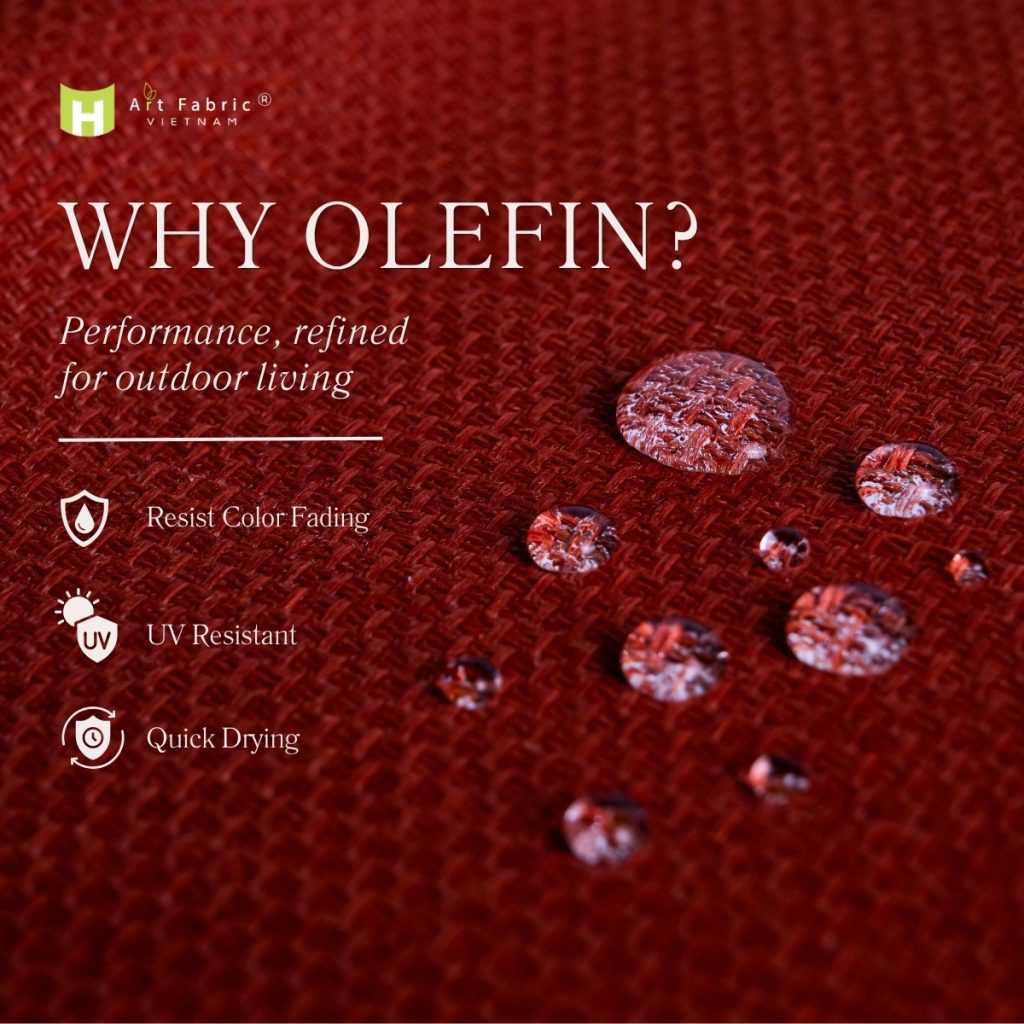
- Weather-Proof Champion: Engineered to seamlessly adapt to biophilic outdoor design, defying the elements with flawless mildew resistance and superior UV fade protection.
- Uncompromising Safety: Dermatologically safe and non-toxic, proudly certified by the international OEKO-TEX® Standard 100.
For homes designed to welcome nature in, the right material should feel just as natural as the environment it helps create.
Art Fabric Vietnam — where natural inspiration meets performance.
Address: 2nd Floor, 25 Bau Cat 2 Street, Ward 14, Tan Binh District, Ho Chi Minh City, Vietnam
Email: sales@artfabric.vn
Hotline: (+84) 375 539 566